
 WhatsApp +86 13550328585
 Sal.holidays25@gmail.com
WhatsApp +86 13550328585Sal.holidays25@gmail.com
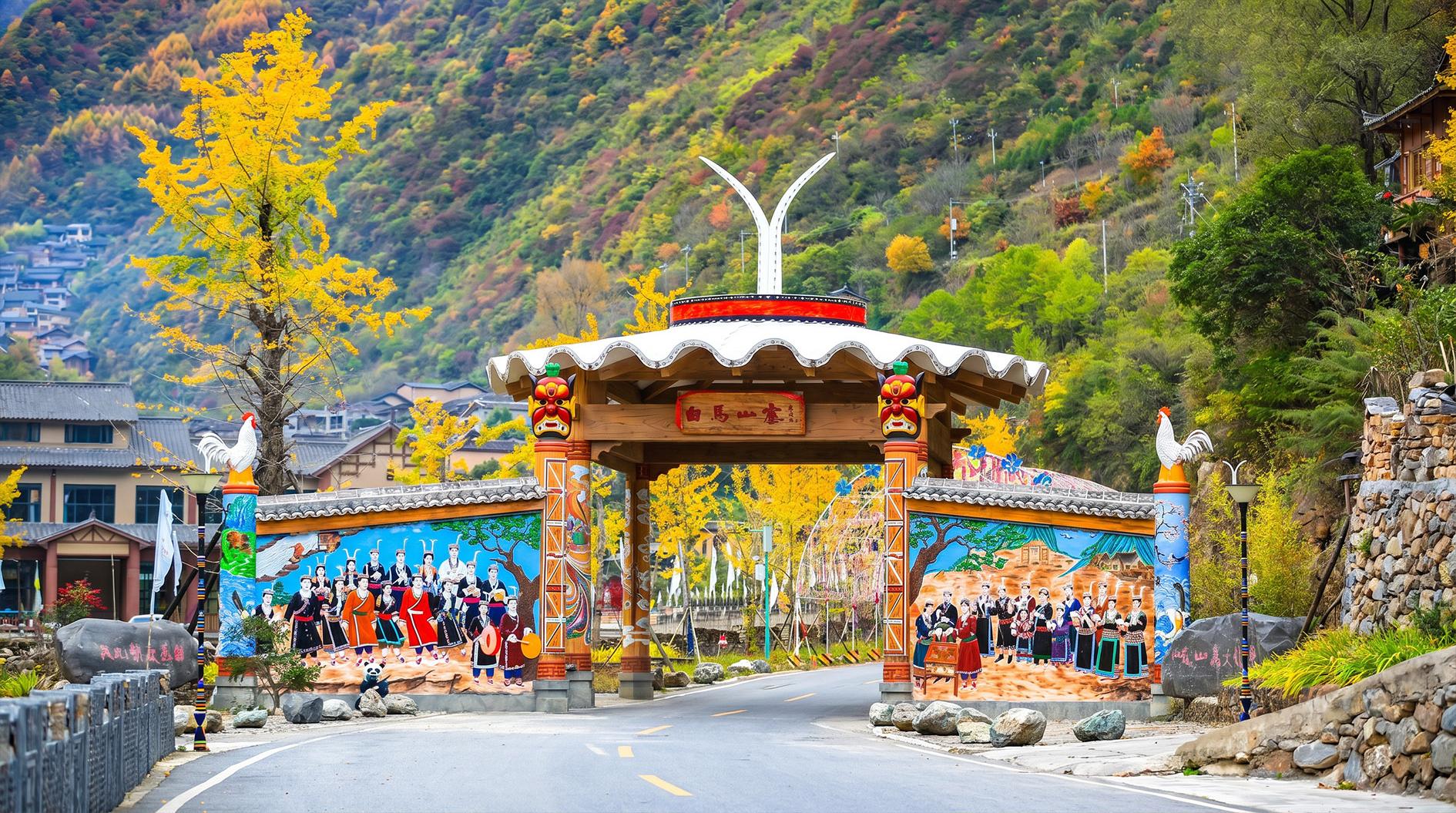
Drive to Pingwu via Mianyang & Jiangyou. We arrange stay in Pingwu is because of its traditional way of lifestyle and mixture of different culture. We do arrange a meet with local people after dinner by palying Majiong or Dance with them together! Dinner at a Baima Tibetan restaurant--a chance to enjoy the Tibetan singing & dancing.
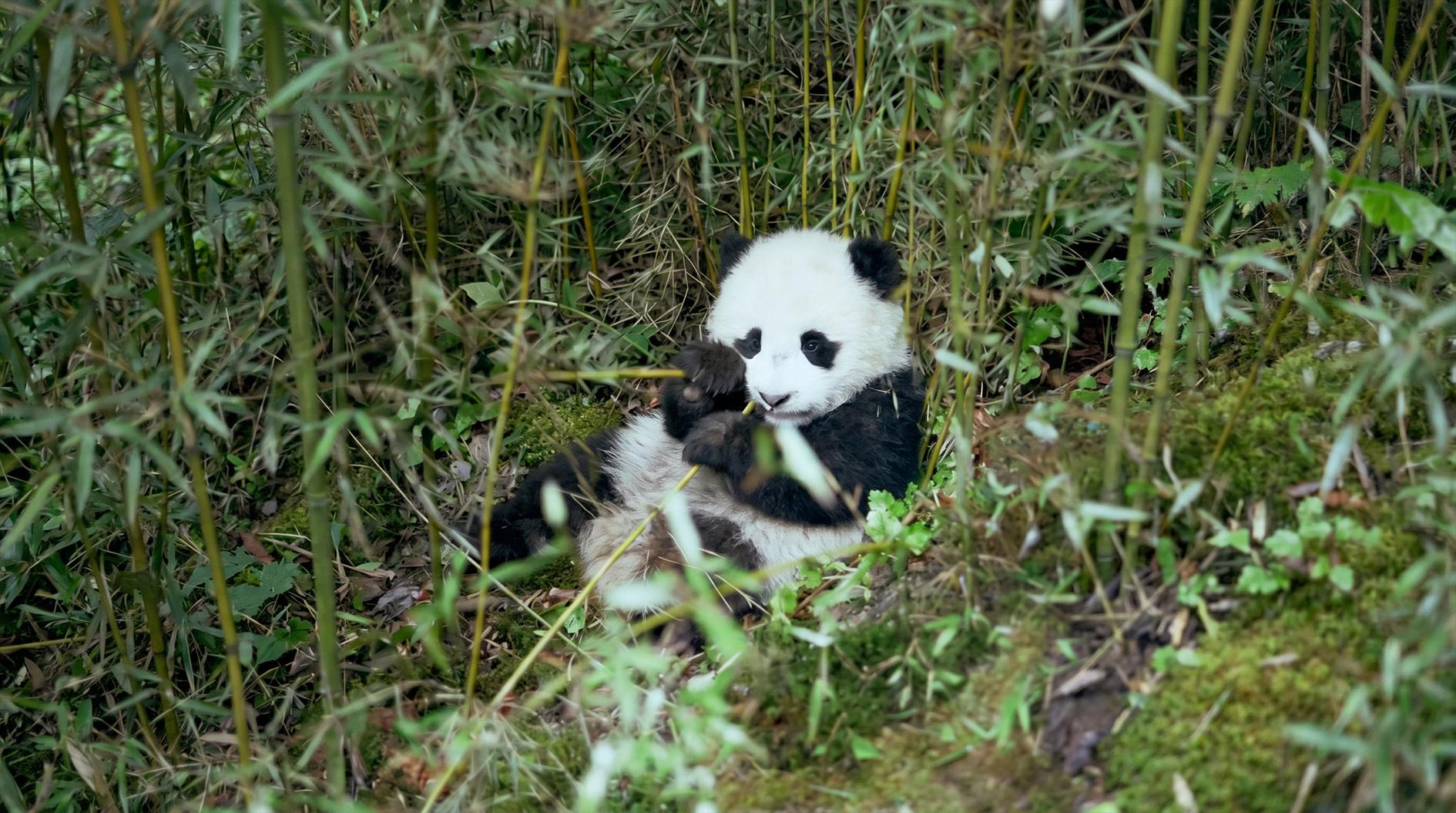
Drive to Wanglang after breakfast. On the way, you will have a stop and visit Tibetan village-a very good opportunity to know something about Baima Tibetan people. Greeted by our researchers of Wanglang upon arrival. After dinner together, enjoy the coffee break and talk with our researchers.
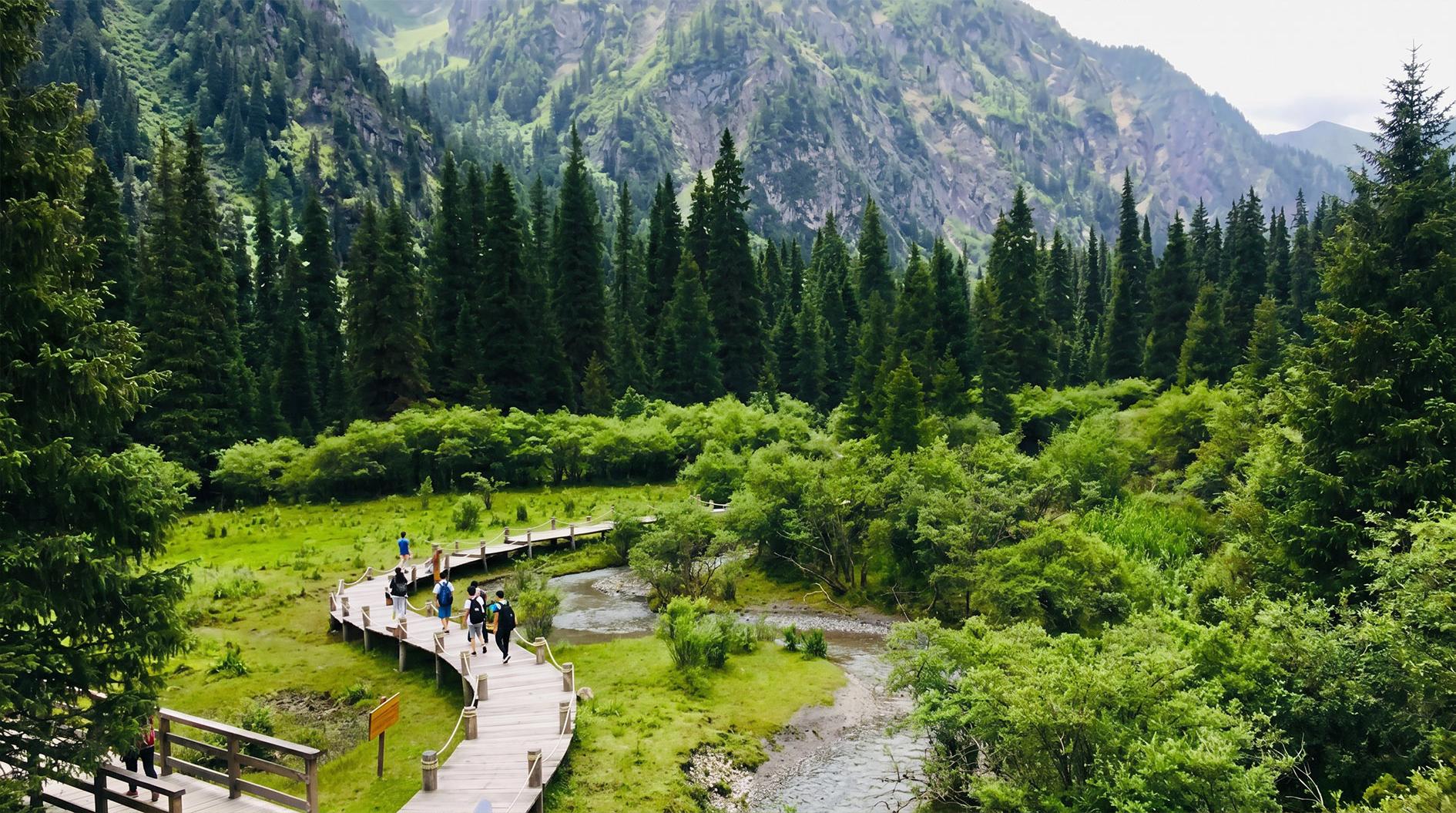
Full day excursion in the reserve with e assistance of researchers--To discuss how to select food of giant pandas, while Baima people how to identify wild food, etc. You may have the opportunity walking in the forest Also, learn more about the natural evolution of forest vegetation in the wild. A presentation about Wanglang will be after dinner.
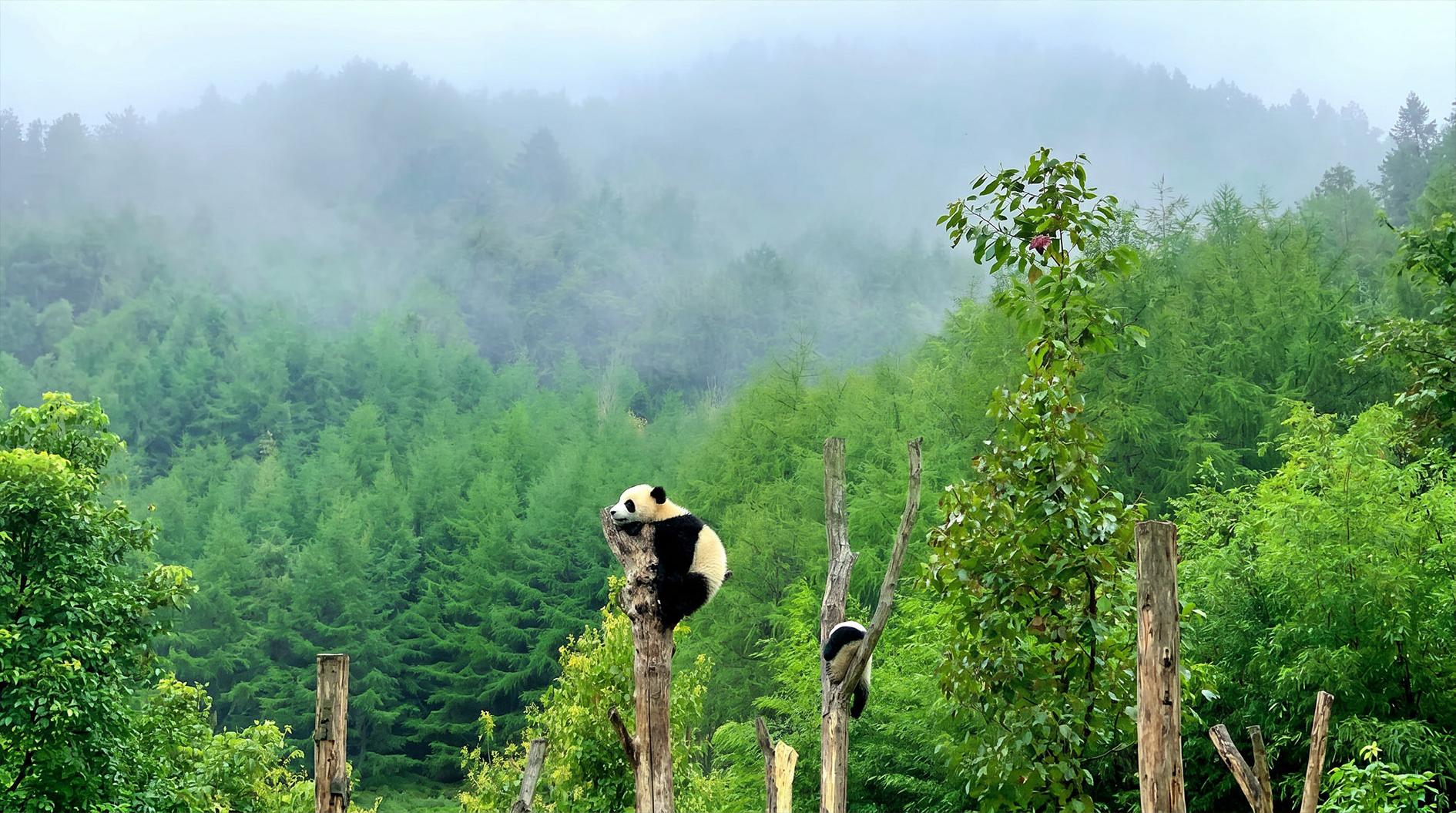
Drive for 13KM to Zhuchagen, accompanied by the monitoring staff on foot, try to get to know the rwild habitat of giant pandas, visit Natural factors on the impact of the giant panda habitat, look for the giant panda and its associated traces of animal life. Weaved an interesting story to explain the giant panda, the relevant knowledge. In the afternoon, visit the aid centre and learn how do the experts save the giant panda.
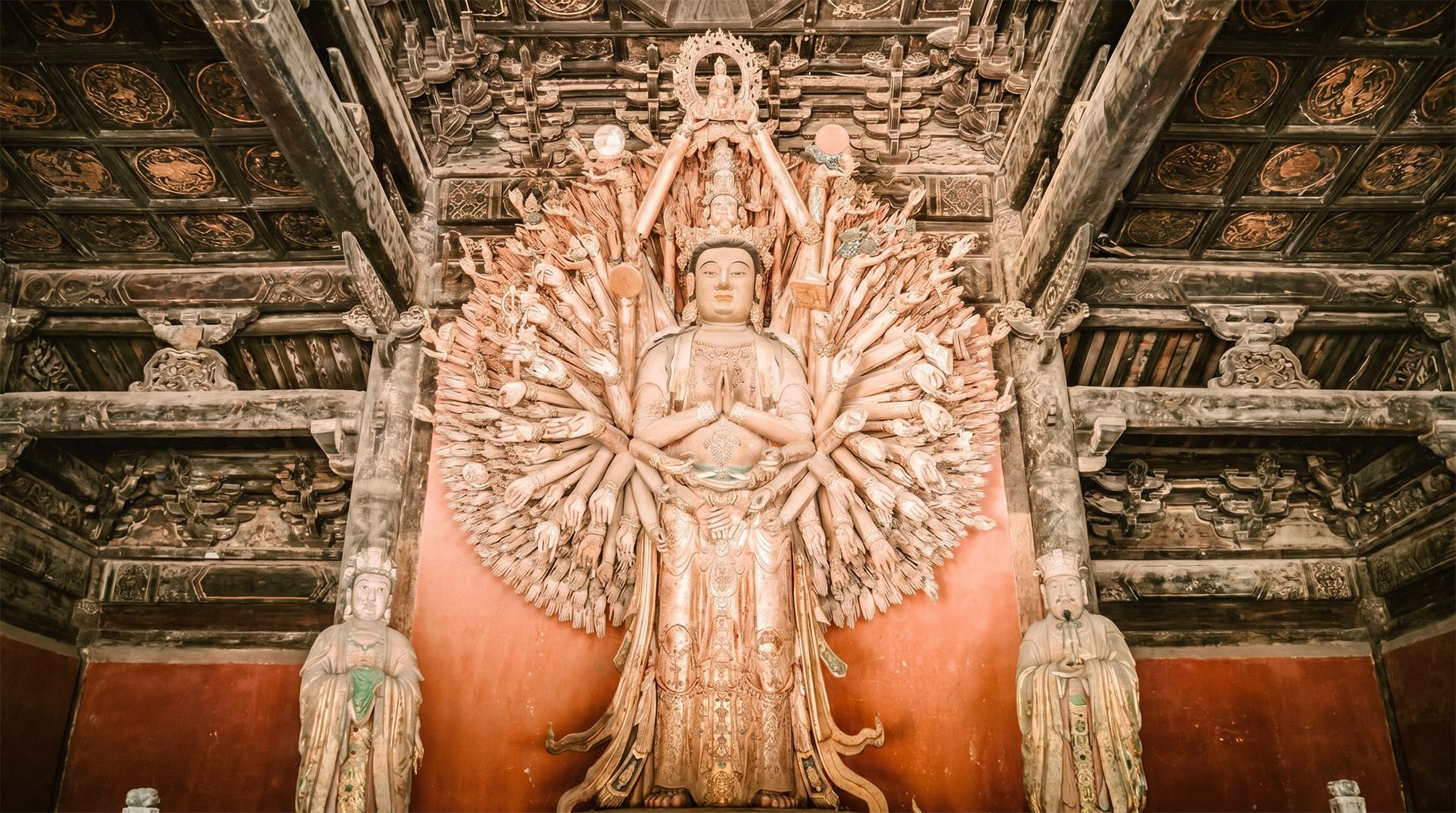
Before departure, have a photo taken with stuffs and then drive back to Pingwu.Visit Baoeng Shrine before lunch. Then drive back to Chengdu in the afternoon.
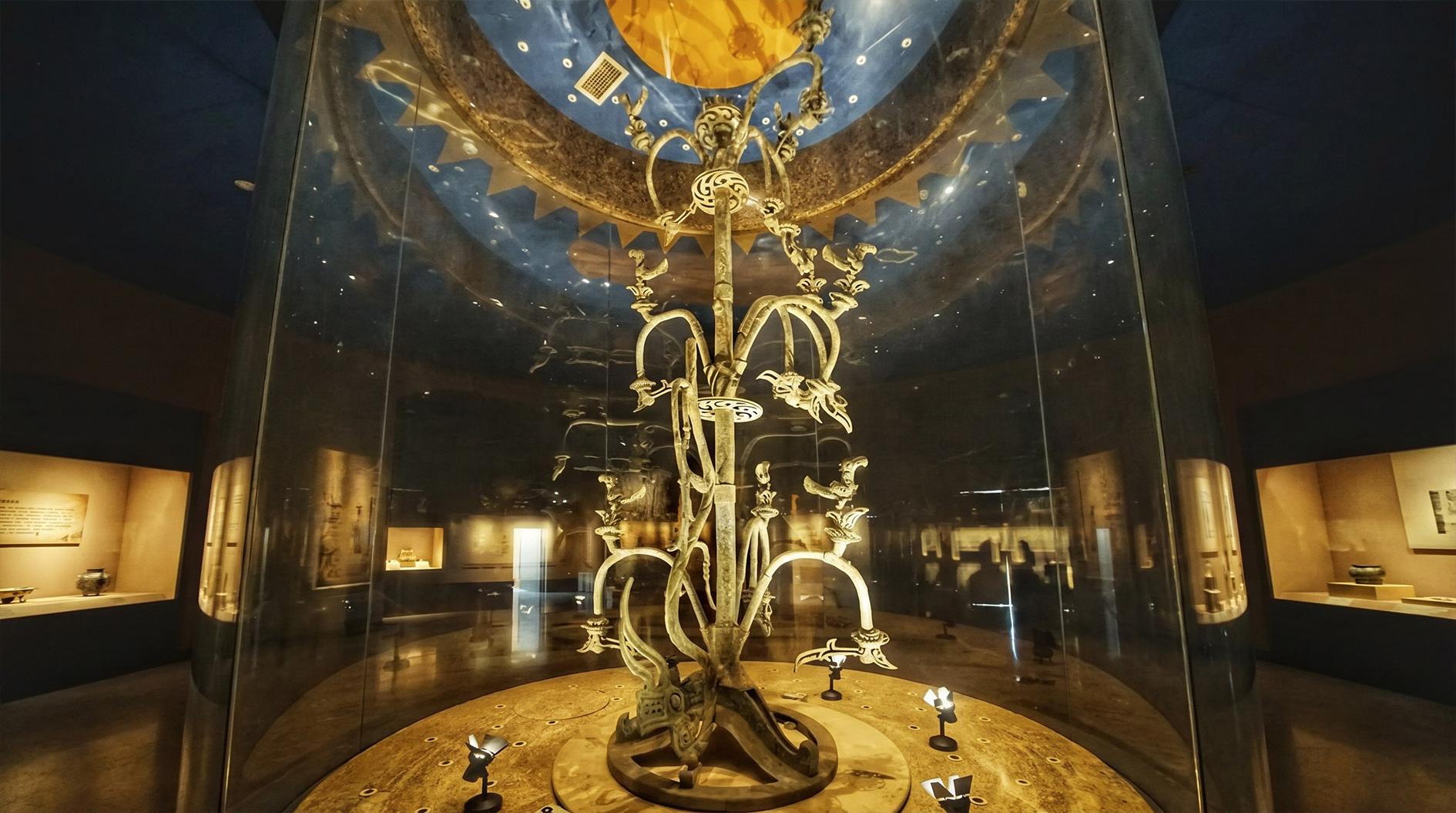
Drive to Chengdu via Deyang. Visit the spectacular Sanxindui Museum on the way. For sure, you will amazed by the 3000-year-old relics and the culture.
Note:
★ The reserve is very experienced in receiving tourists & exchange scholars. The facility of accommodation are good with hot water,TV set (CCTV-9), electric blanket .
★ Surrounded by the mountains and forest, Wanglang Villa is full of bird's singing and fresh air, just a good place to enjoy nature.
★ About the lecture:
A. About panda survival history and future
B. Nature protection area Management.
C.The staff role and the monitor patrol protection
D. Culture of Baima Tibetan people
E. The discussion's topic is not only restricted in the panda and the local
humanities, but also has other protectorate which the outside specialist brings,
as well as other species protection topic. The course may be adjust according the
requests.
★ About the difficulty of this tour:
The tour will have a round trip about 1000KM in the forest. 窗体顶端
What is more difficult is that people will go thorough panda's habitat by walking several hours on foot in virgin forest. Tracks down panda's trace, pursues panda's fresh excrement to carry on panda's DNA examination. There might be possibility to meet wild animals such as wild boar, takin. Therefore the entire process must accompanied by staff who is engaged in the open country monitor for a long time. People who take this tour needs to be in the good physical quality&strength, rich survive experience in the wild. Better have the zoology and botany protection background, the specialized knowledge and the strong interest.

Reviewed on Jan.31,2025
Jan 2025 · Family
Reviewed on Jan.31,2025
Jan 2025 · Family