
 WhatsApp +86 13550328585
 Sal.holidays25@gmail.com
WhatsApp +86 13550328585Sal.holidays25@gmail.com
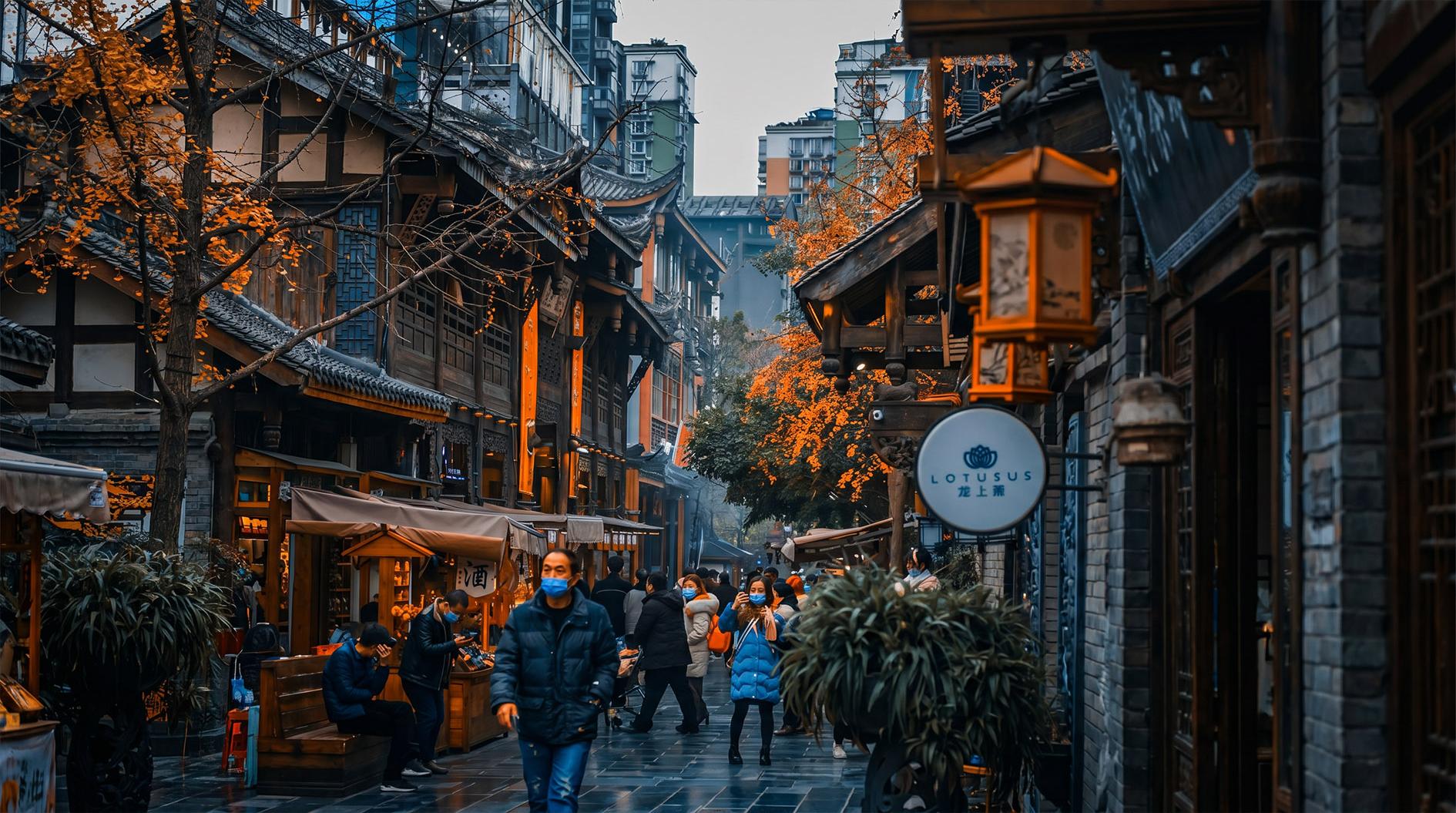
All participants will gather at the terminal of Guangzhou Airport, then take a flight to Chengdu Shuangliu International Airport. Upon arrival, we will transfer by coach and check into the hotel.
Later, we will visit iconic scenic spots including Jinli Ancient Street and Kuanzhai Alley. You will get to experience authentic local leisure culture, such as sipping traditional tea, enjoying folk opera shows and learning classic handmade crafts.
Students in Guangzhou usually face heavy academic pressure from exam-oriented studies. This journey offers a great chance to embrace the genuine local lifestyle, unwind thoroughly and maintain a positive and healthy state of mind.
Introduction to Chinese Leisure Culture
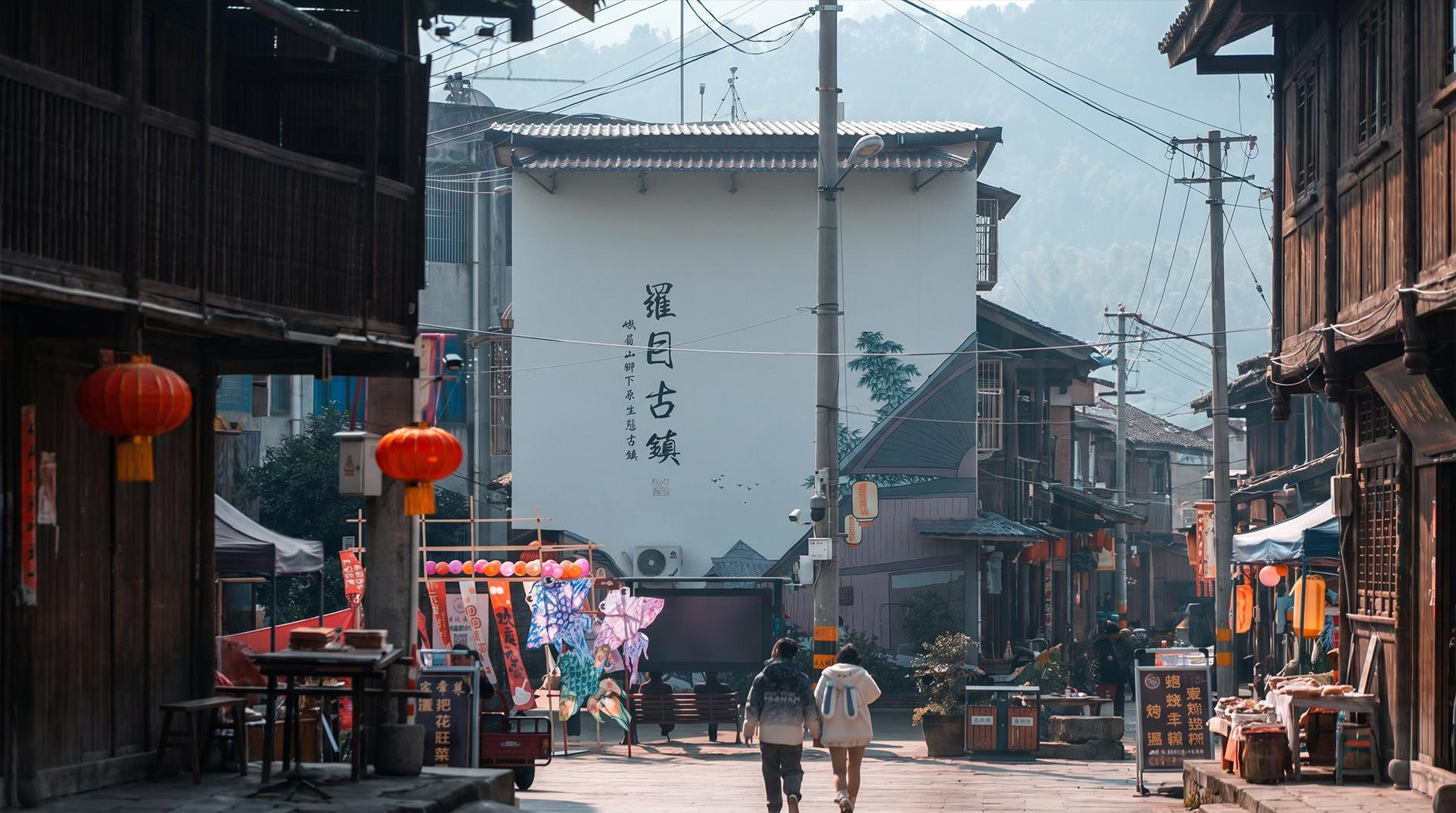
In the morning, we will take a private coach to Luomu Ancient Town in Emei. We’ll have a cultural exchange and martial arts workshop at a local kung fu school, followed by lunch in the ancient town.
About Luomu Ancient Town (10 km from Emei City)
Also known as Qinglong Chang, Luomu is a Historic and Cultural Town of Sichuan Province . Founded in 618 AD (the first year of the Wude reign of Emperor Gaozu of the Tang Dynasty) , it’s traditionally regarded as the first stop on the Ancient Tea Horse Road connecting the plains to the mountains during the Ming and Qing dynasties . The town still preserves many traditional handicrafts and local snacks .
Adjacent to the town is Second Emei Mountain, the birthplace of the 7th Taoist Grotto Heaven of Mount Emei. Legend says the immortal Lü Dongbin once visited here, leaving behind many Taoist relics. A grand pilgrimage fair is held annually on the 6th day of the 6th lunar month.
Renowned for its ancient mountains, scenery, legends, traditions, crafts and cuisine, the town features 14 well-preserved old streets and alleys showcasing authentic folk customs—truly a living museum of traditional life.
In the afternoon, we will visit Wannian Temple, then check into our hotel in Emei for the night.
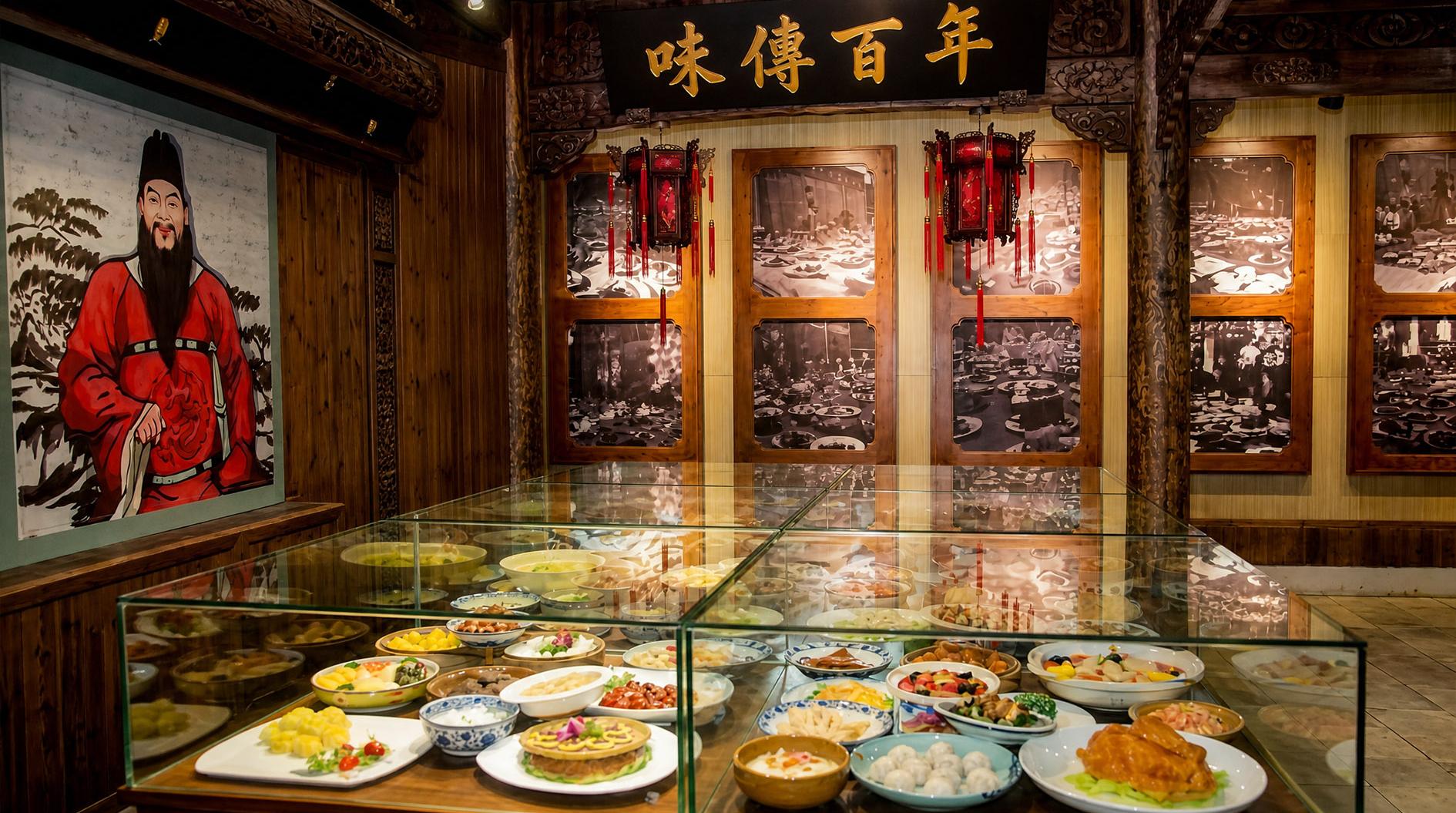
We depart in the morning for Sichuan Cuisine Museum. Wander through time-honored cultural streets and explore time-honored local food brands. In the afternoon, students will take hands-on junior chef training courses. You will learn and practice the essence of Sichuan cuisine, experience the profound charm of Chinese food culture, and master several home-cooked dishes to cook for parents after returning home.
Activity Arrangements
1. Visit the collection hall. Combine textbook knowledge to learn the evolution of Sichuan cuisine in an immersive way and finish knowledge quiz cards.
2. Explore raw material exhibition area and sauce culture experience zone. Stir broad bean paste to experience traditional production techniques and appreciate the spirit of craftsmanship.
3. Taste authentic Sichuan snacks in Shaocheng Food District, including Zhong Dumplings, Wonton and Dan Dan Noodles.
4. Pay a visit to the world’s largest Kitchen God Shrine. Learn to be grateful, respect nature and uphold the traditional virtues of respecting teachers and education. Wear Hanfu to worship the Kitchen God.
5. Watch the amazing blindfolded giant knife noodle-cutting performance. Noodles cut with an 8-kilogram heavy knife are thin enough to pass through a needle, a certified Guinness World Record.
6. Operate ancient farm tools in the tool exhibition area and learn how stone mills and traditional utensils work.
7. Put on chef hats and aprons to make fermented broad bean paste, panda-shaped steamed dumplings and tofu pudding. Watch Kung Pao Chicken cooking demonstration and learn stories behind Sichuan cuisine throughout history.
8. Attend the closing ceremony at the museum. Chief chefs present study tour medals, and students share their gains and reflections.
9. Free leisure time: taste more local snacks or enjoy tea in the tea house.
Introduction to Chinese Food Culture
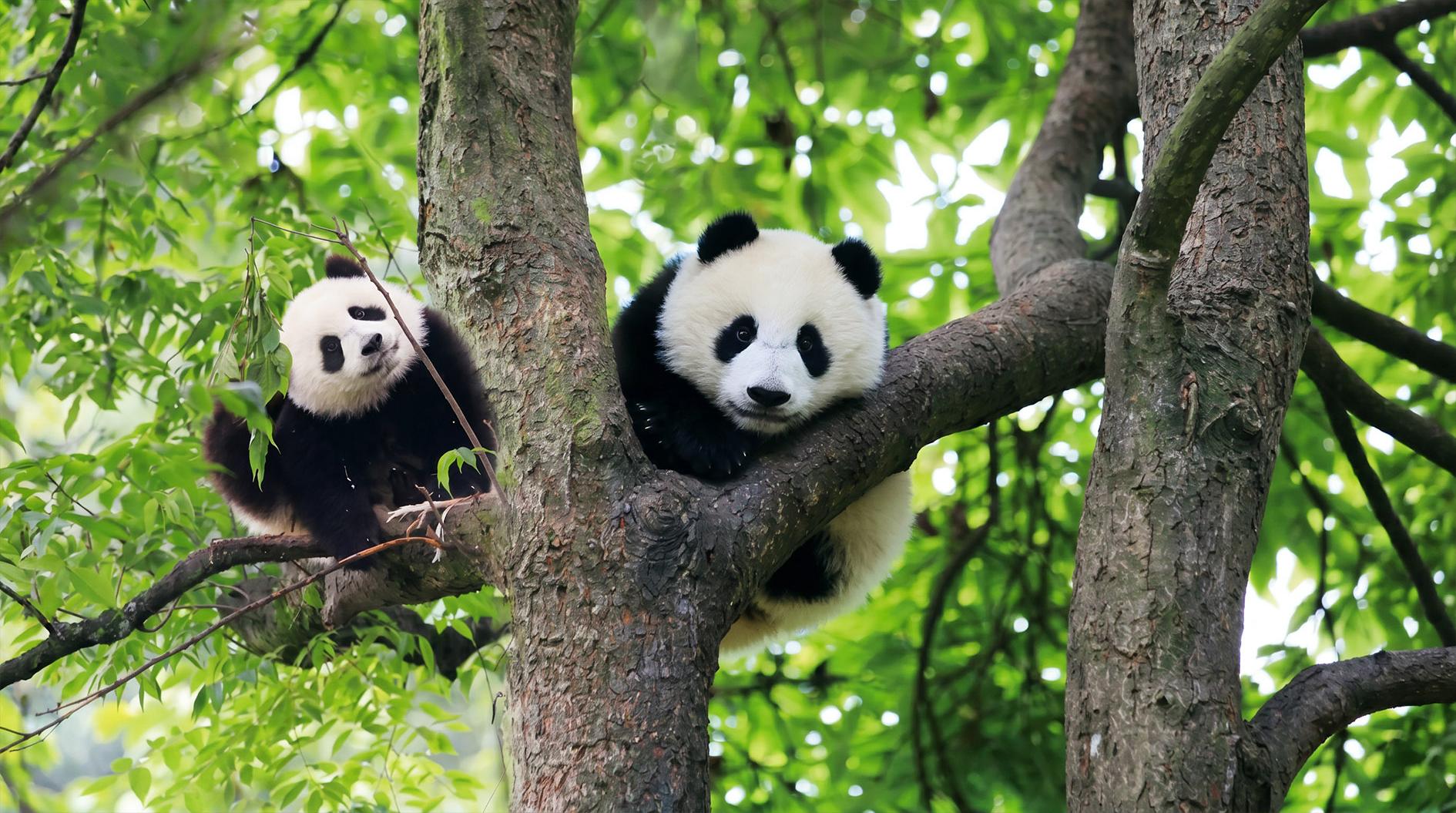
In the morning, we visit Chengdu Research Base of Giant Panda Breeding. Step into the national treasure conservation sanctuary and get close to these lovely fluffy giant pandas.
Upon arrival, we start our exploration tour. Guided by professional science instructors, we tour the panda enclosures, watch a 3D documentary, and complete the exploration handbook. Every participant will receive an environmental science souvenir after the activity.
In the afternoon, we stroll along Qintai Historic Path. Students will learn stories and historical allusions about Sima Xiangru, a distinguished literary figure of the Han Dynasty, with bilingual explanation available.
After dinner, we take part in the Sichuan Opera cultural exchange at Shufeng Yayun Theatre. You will learn two traditional folk arts: three-dimensional facial mask painting and shadow puppetry. Fantastic performances including face-changing, rolling lamp and fire blowing will also be presented.
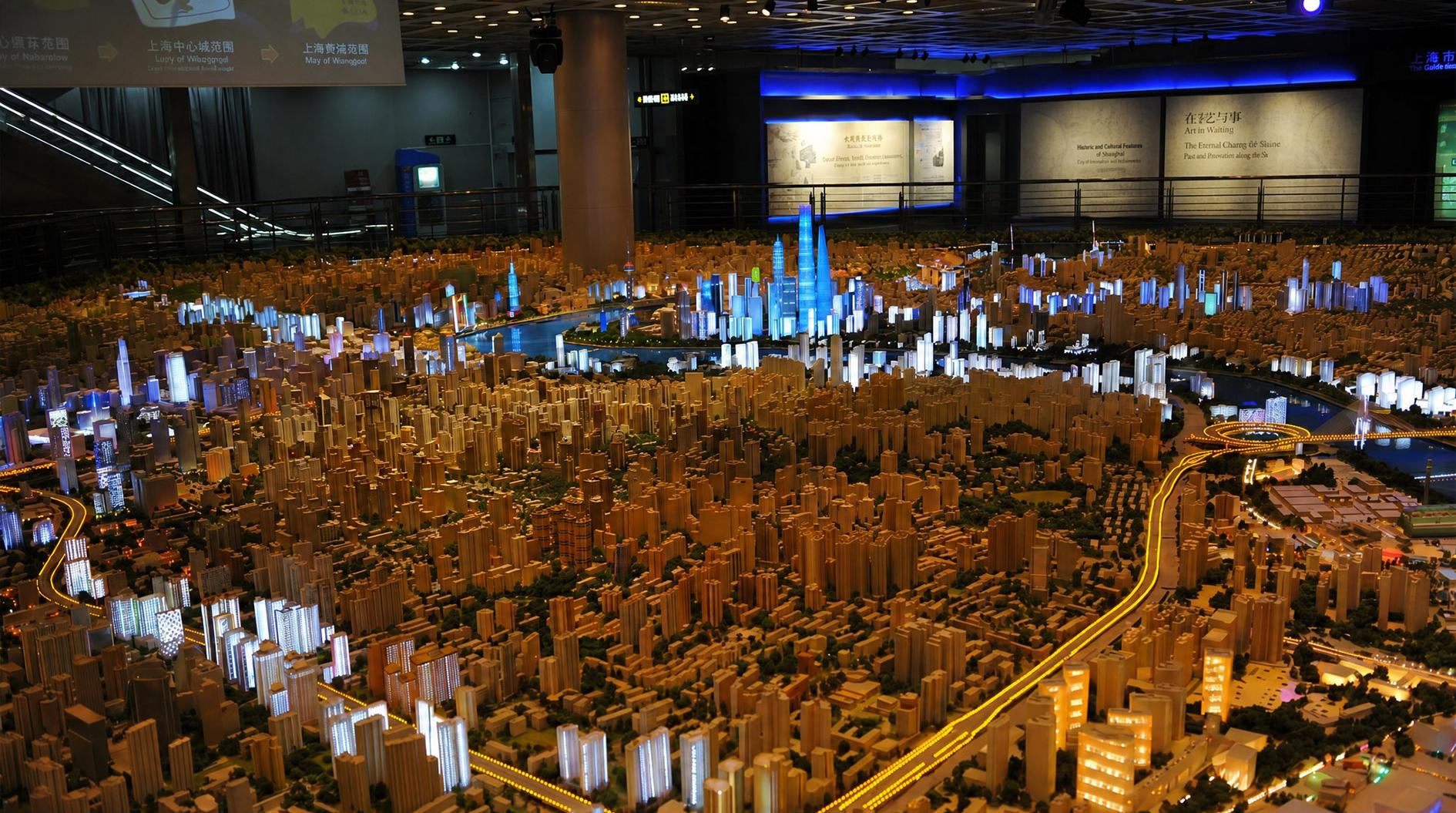
In the morning, we pay a visit to Chengdu Urban Planning Exhibition Hall to learn about the city's development blueprint and future construction plans.
In the afternoon, we depart from Chengdu and head back home safely.

Reviewed on Jan.31,2025
Jan 2025 · Family
Reviewed on Jan.31,2025
Jan 2025 · Family