
 WhatsApp +86 13550328585
 Sal.holidays25@gmail.com
WhatsApp +86 13550328585Sal.holidays25@gmail.com
Travel overland all the way from Yunnan through Tibet to Kathmandu, Nepal, immersing yourself in the golden corridor of the Roof of the World.
It features a full collection of world-class natural scenery and covers all renowned Tibetan Buddhist monasteries.
Fixed accommodation is arranged throughout the tour, making this long crossland journey more comfortable and worry-free.
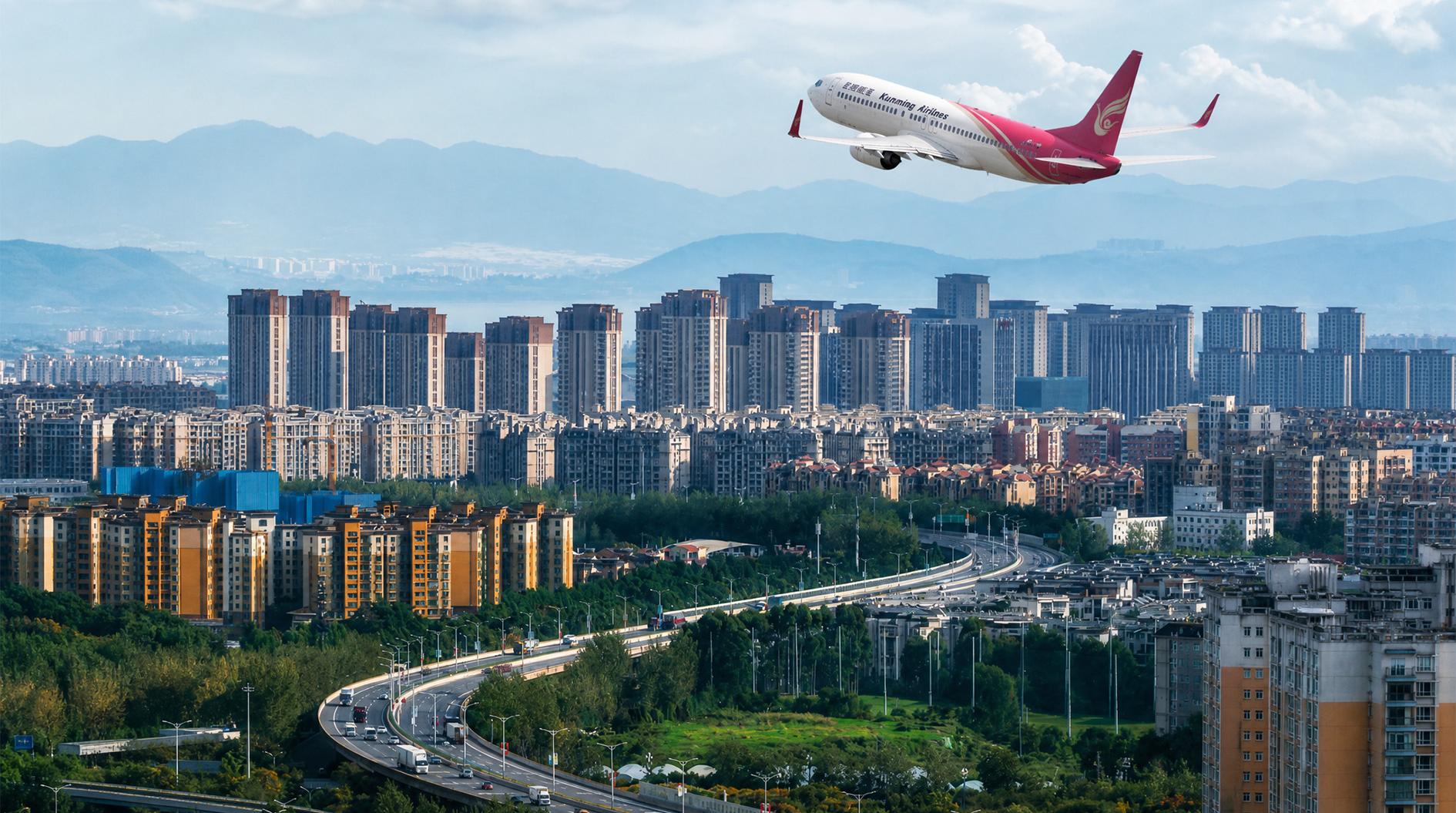
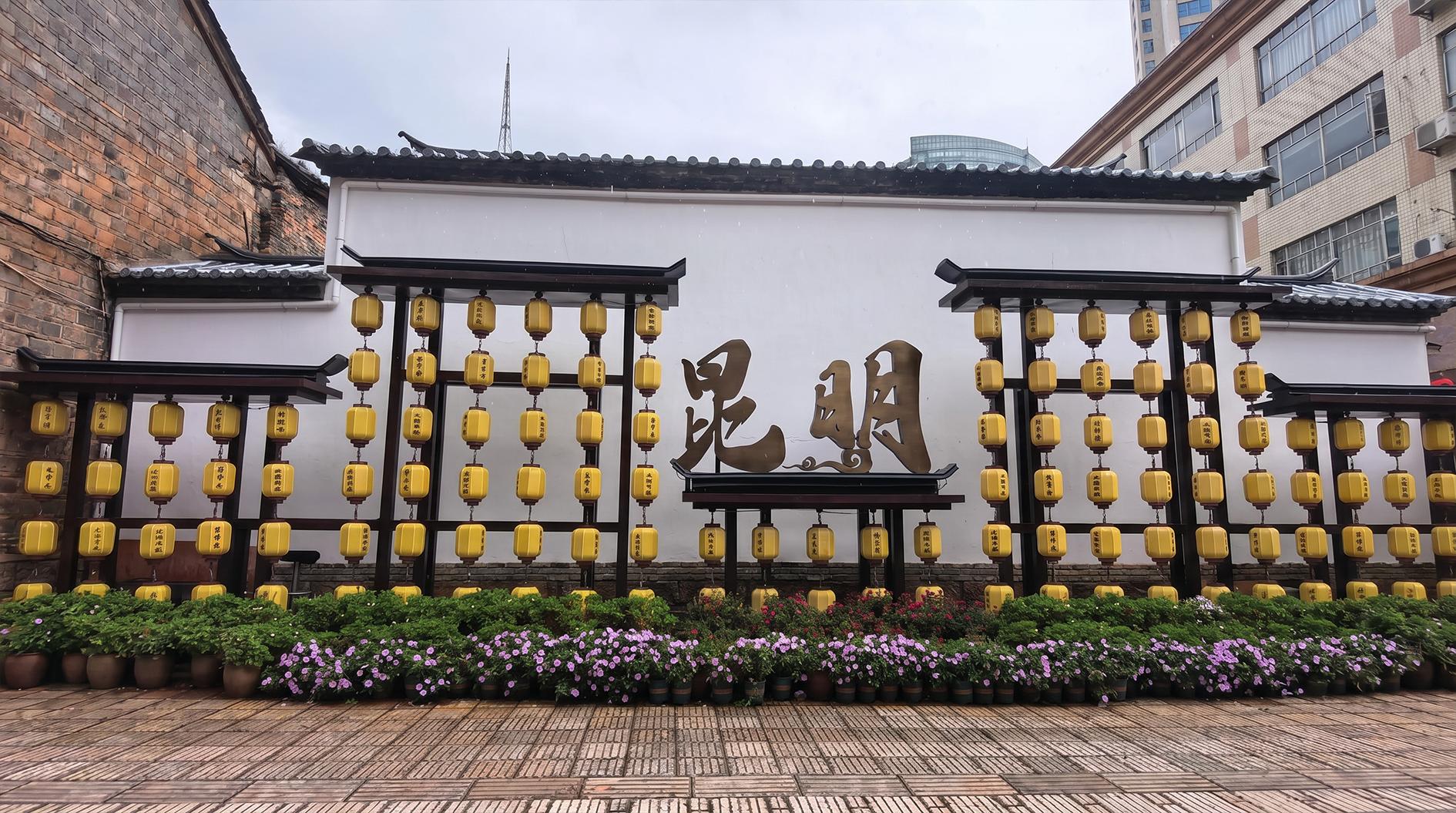
Today arrive in Kunming and transfer to the hotel. Kunming, capital of Yunnan province, is also called "Spring City" due to its fine climate all year round. Yunnan in Chinese means "to the south of the clouds". This multinational city is famed for its fascinating multicolored street picture and numerous day and night markets.
(2N in 3*Weilong Hotel)
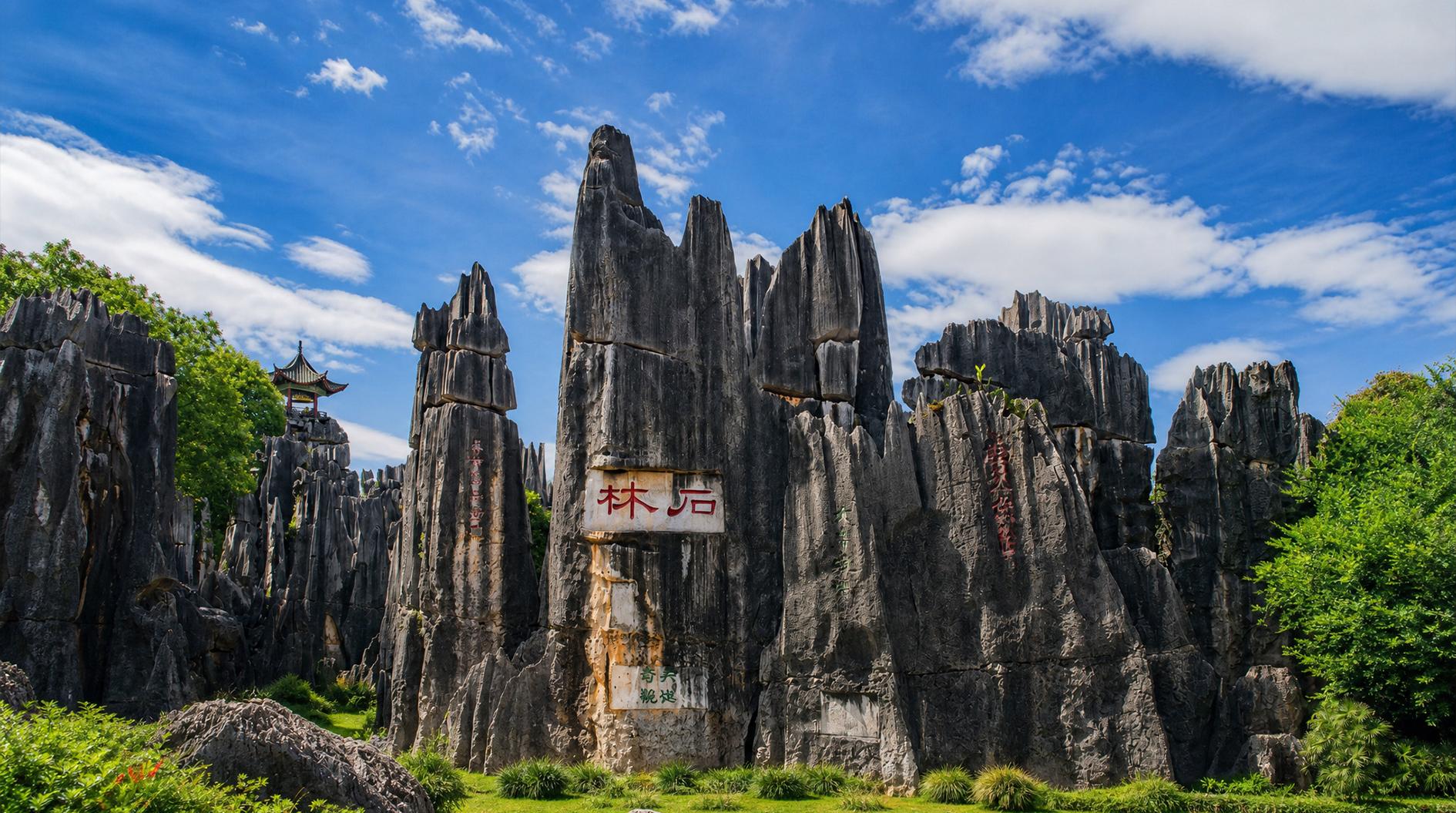
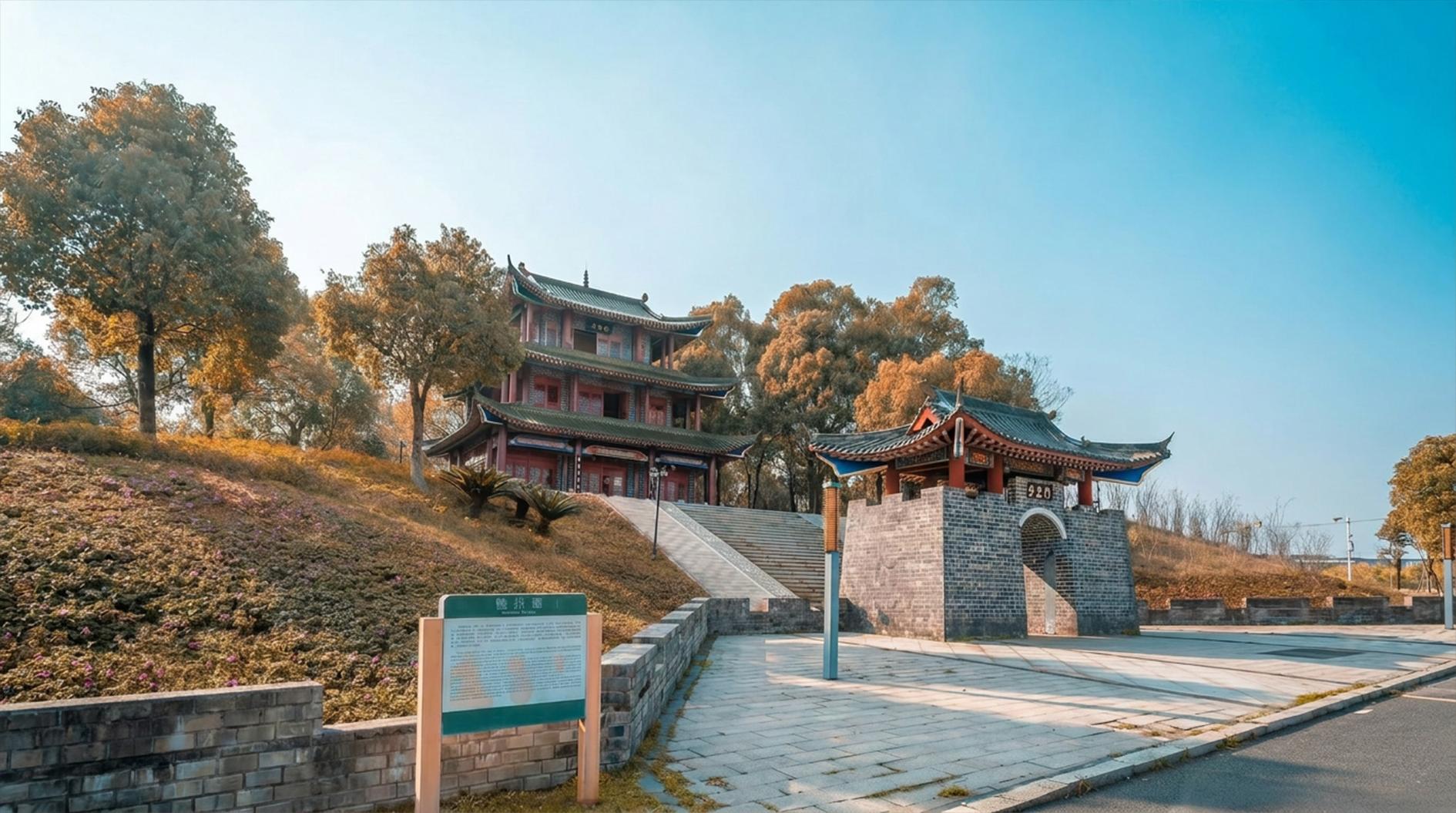
After the breakfast visit the Lunan Stone Forest about 125 kilometers to the east of Kunming, which enjoys its distinct landscapes and unveils the best out of the wonders of the Karst topography. The Lunan Autonomous county is a home of the Sani minority. This Karst Stone Frost with an area of 270 sq km, appeared approximately 270 million years ago when the crust of earth lifted and the original endless sea allowed to disappear. The bizarre line stone rocks feature in various formation and some of them tower above to 30 m high.
240 km 2N in 3*Asia Star Hotel B/L
In the morning visit the Dian Chi Lake and go sailing above the water by a boat. Other arrangements are the Xi Shan (West Mountain), the Long Men (the Gate of Dragon), HuaTing Si (a Buddhist monastery), as well as San Qing Ge ("Pavilion of the Three Purity", a Taoist temple). In the afternoon drive to Dali, where stroll in the alleys of the ancient small town and then visit San Ta Si (Three Pagoda Temple) in the northwest outskirts of Dali.
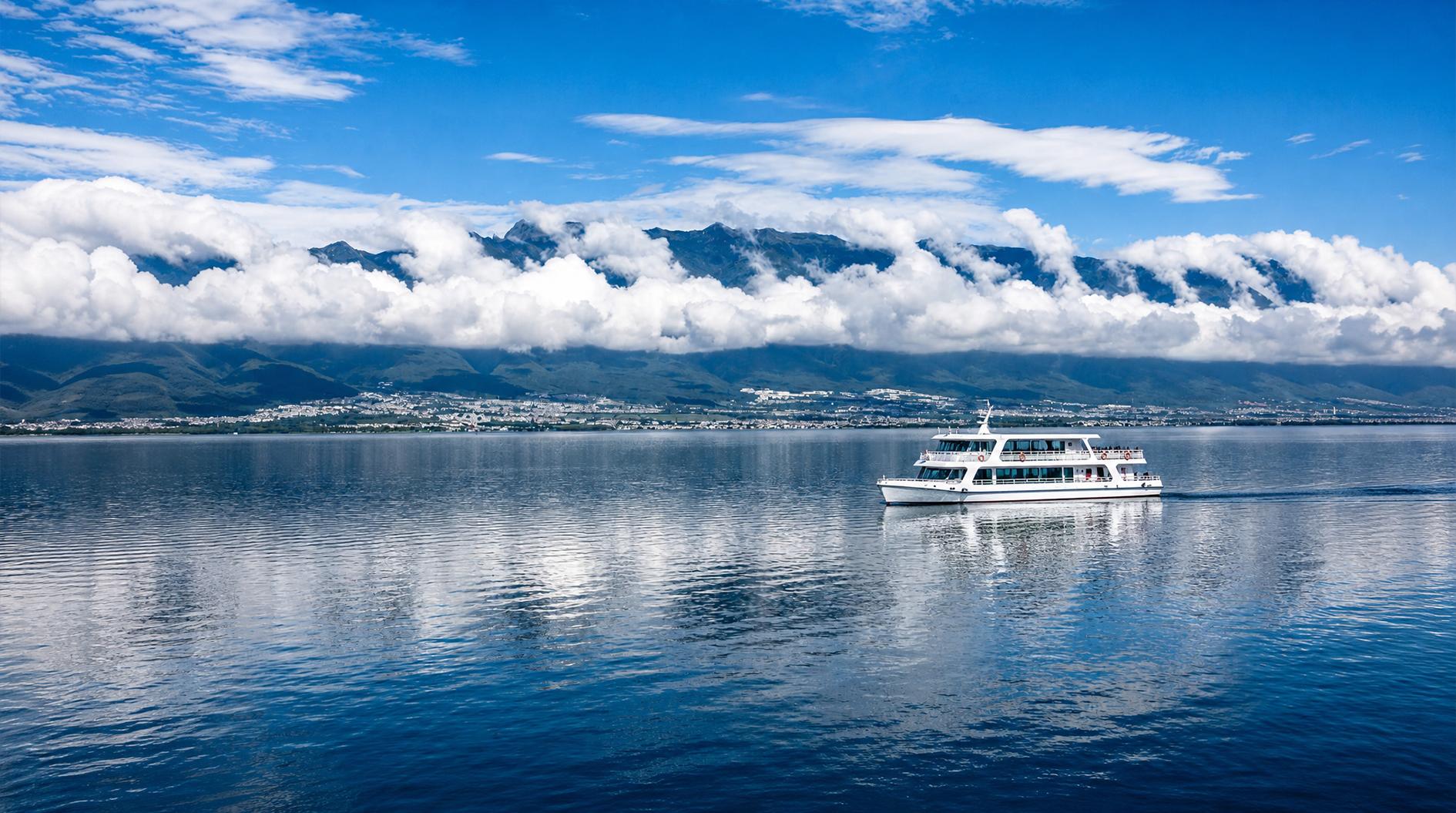
The well preserved ancient city gates and the historic buildings have shown the city's long history. In the afternoon visit the Erhai Lake in the east of the city. The lake with an area of 249 square kilometers, is 40 km long and surrounded by high mountains such as Cang Shan (the Azure Mountain) being 4122 m. high in the sky. Undertake a bicycle tour by the beautiful lake.
200 km 2N in 3*Grand Lijiang Hotel B/L
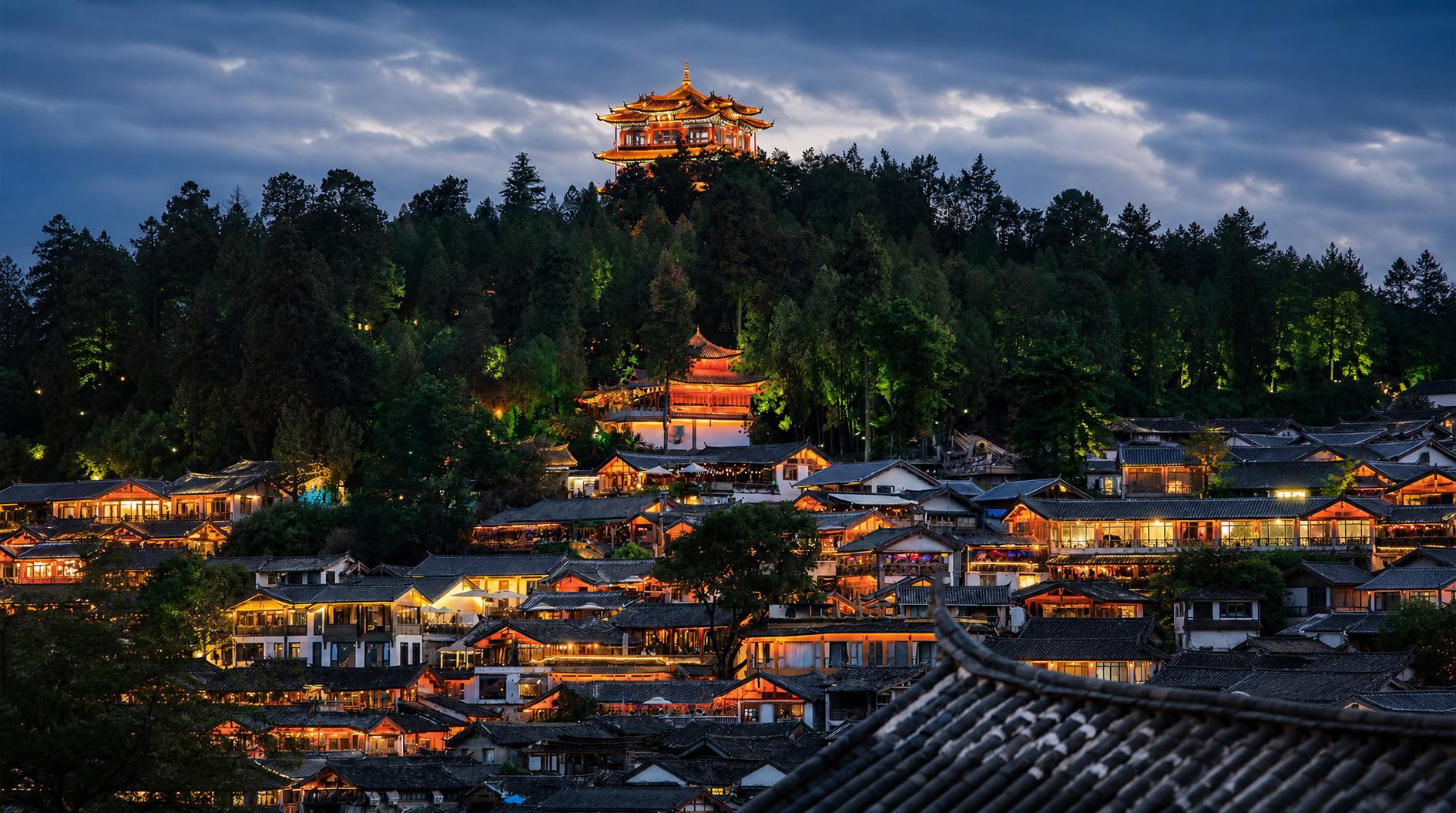
Drive northwards approx. 200 km to Lijiang by the Erhai Lake. With an altitude of 2600 m above sea level on Yunnan-Guizhou Plateau, Lijiang is located in the Naxi Minority Autonomous County of Yunnan Province. The city had a 800-year-old history and is the only city where the Naxi ethnic minority reside. It is famous for its old wooden houses and the layout of the town's streets. The cobblestones are seen here and there in the city as one walks. In the late afternoon visit Hei Long Tan (Black Dragon Pool), which is located in the northern foot of the Elephant Hill. The summits of the snowy mountain nearby are clearly reflected in this pond. In addition, visit a five-arch marble bridge and different pavilions, for example, the Tower Five Phoenix.
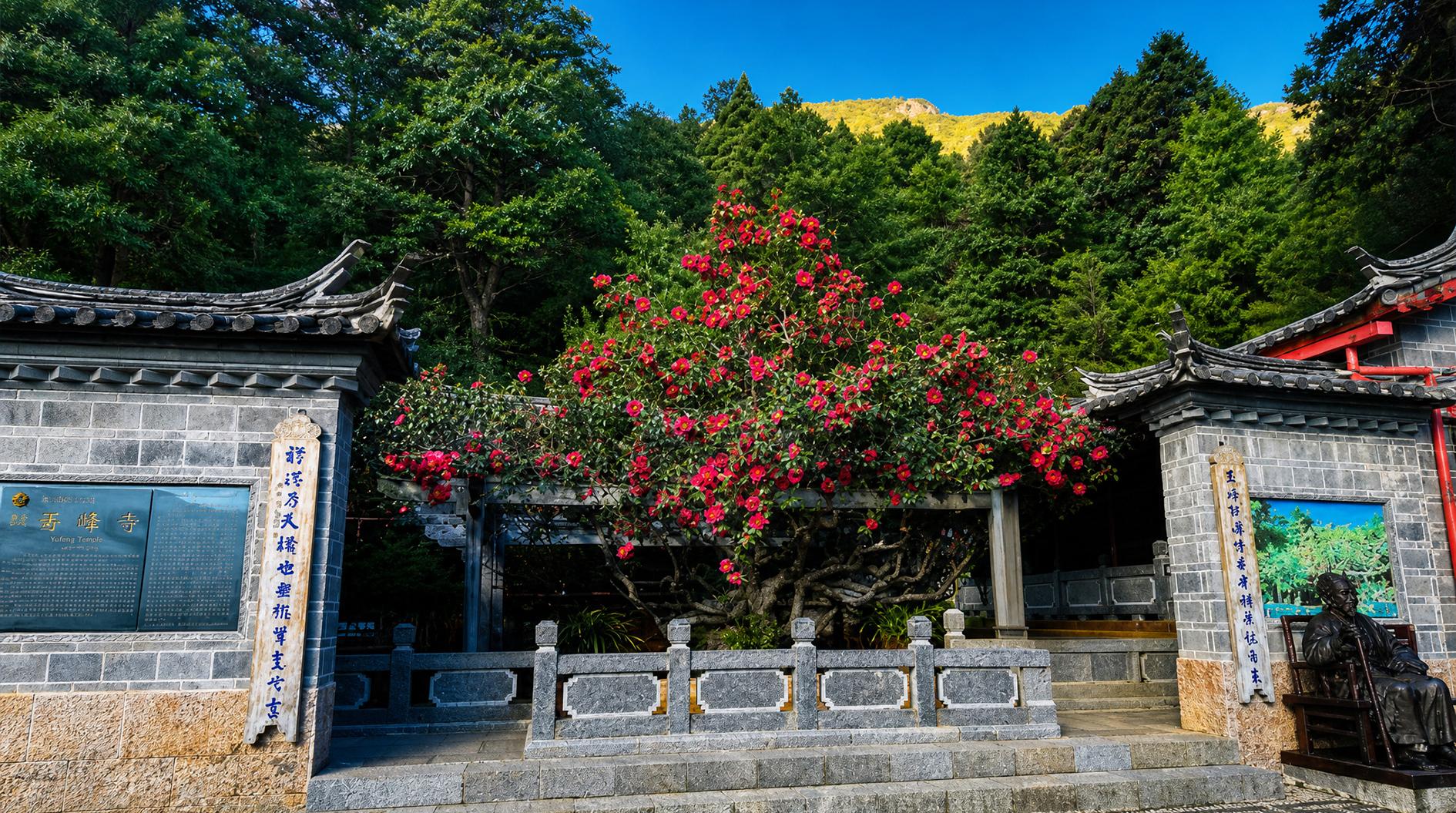
First drive northwards 30 km to the Yulong Xueshan (Jade-Dragon Snow-Mountain), which is 5596 m high and at the south edge of the Tibetan Plateau. This mountain has long been admired as "kingdom of forests" or "treasure of house vegetation" with rare birds and animals moving and flying about in it. In the mountain visit Yu Feng Si (a Buddhist monastery complex). The giant camellia in the monastery is more than 500 years old and has gained the fame of 10,000 Flowers Camellia due to its flourishing flowers every year. Afterwards visit Baisha village of Naxi minority where about 350 Buddhism mural paintings made between 14th and 17th century are preserved.
220 km 2N in 3*Diqing Hotel B/L/D
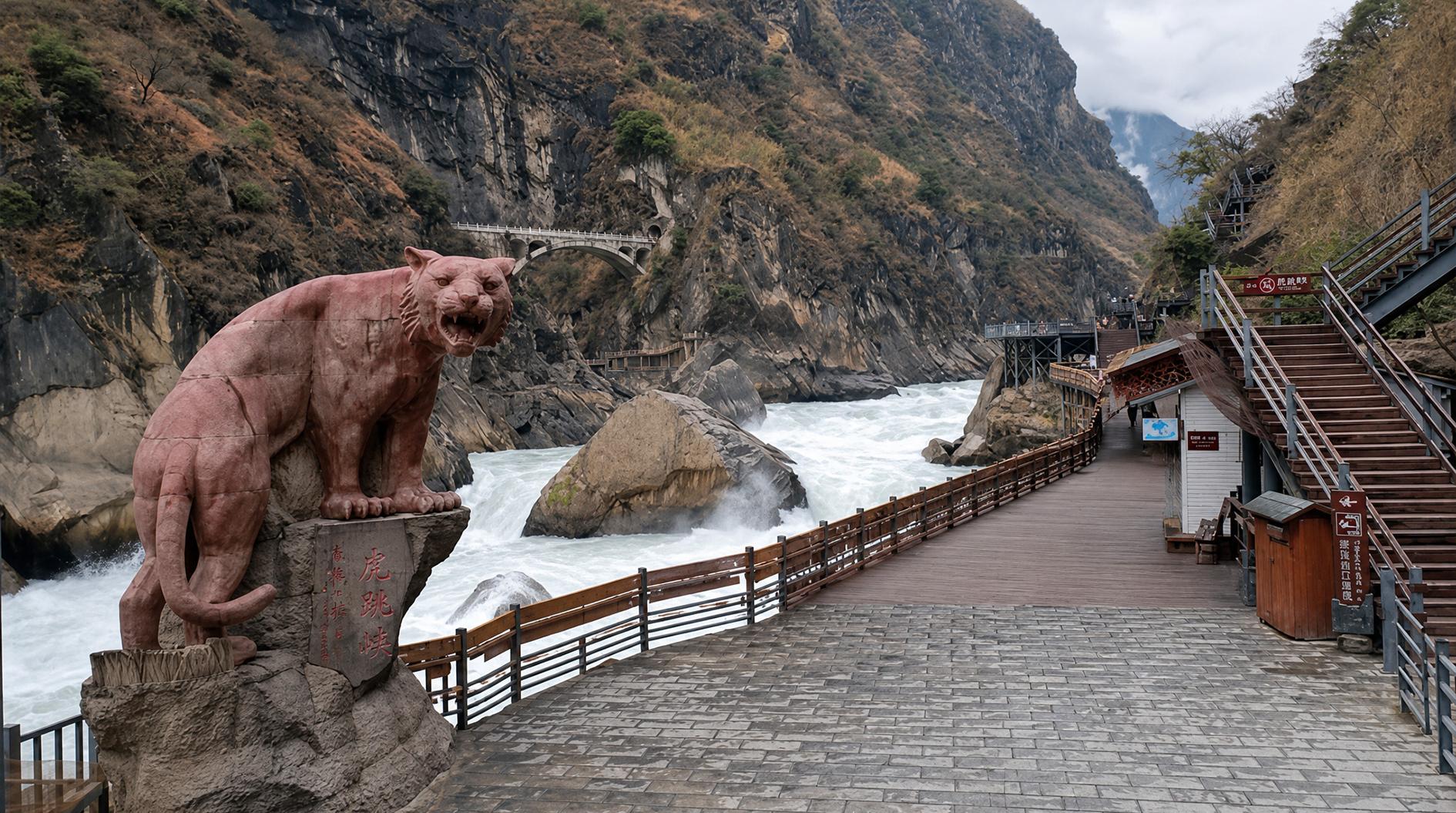
Continue the journey to Tibet and come to Jinsha Jiang River (Golden Sand River), the upper reaches of the Yangtse River (the longest river of China, 6380 km) In the15 km long Tiger Jumping Gorge, as the turbulent water of the Jinsha Jiang River is forced by Hailuo Shan standing in its way to turn abruptly 100 degrees north east eards and thus gives birth of the "First Bend of the Yangtse River". Here the cliffs on the west bank of the river is 4000 meters above from the surface of the water, while a giant rock, just called Tiger Jumping Gorge of 300 cubic meters or so, is laying in the middle of the river to cause the waves up to the sky. In the afternoon arrive in Zhongdian, which is 3200 m above sea level situated close to the border between Yunnan and Tibet. Most of the residents here are Tibetans.
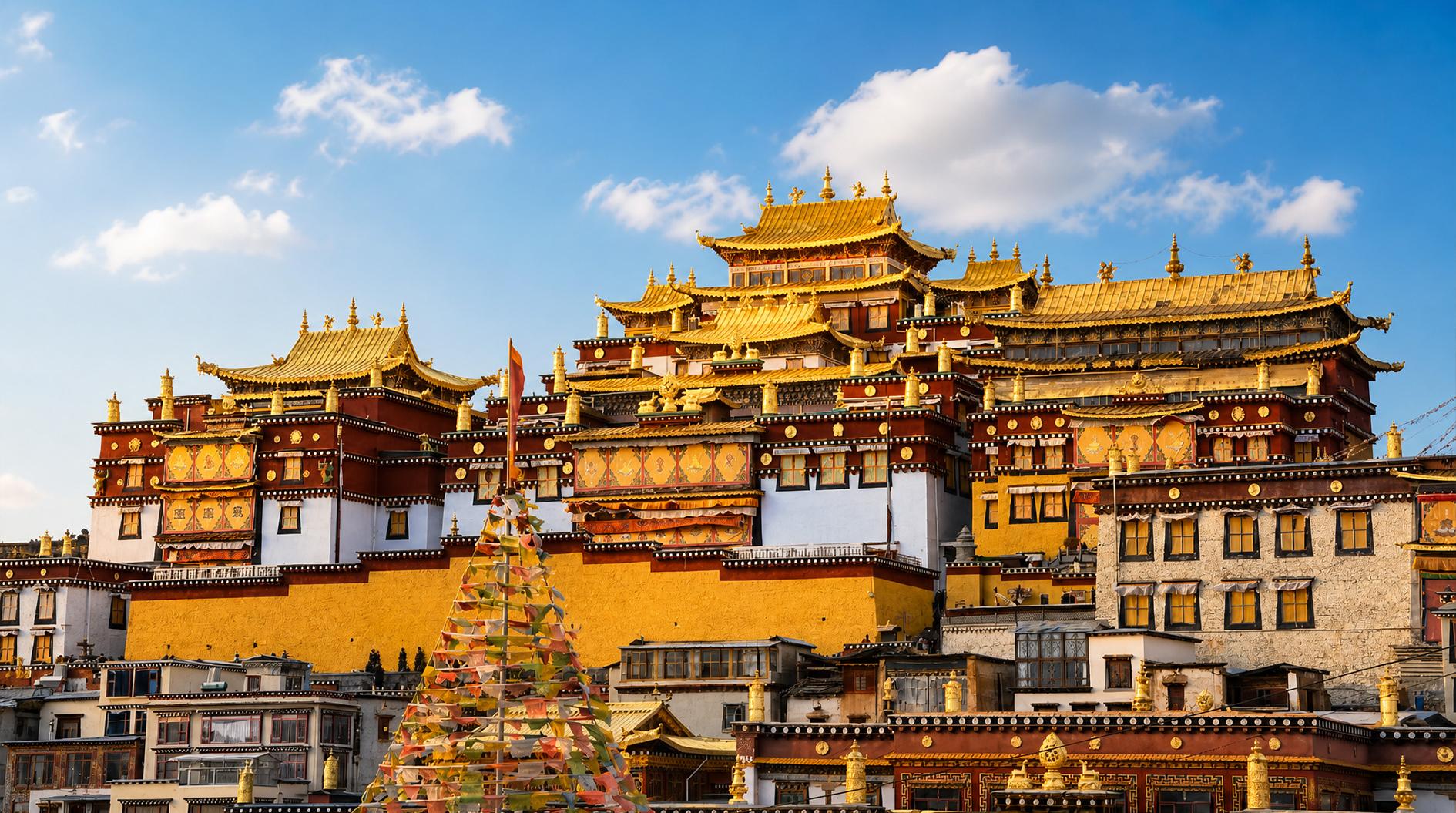
In the morning visit the Sumsanling Monastery, which was created in 1679 by the Fifth Dalai lama. In 1958 the monastery complex still accommodated about 1300 monks of the Gelugpa Sect. It is a pity that in 1959 this monastery was almost completely devastated during the tragic Civilization Revolution. Anyhow it was systematic reconstructed in 1982. Today several hundred monks in the prayer halls do their Buddhist exercises again. Characterized by Its Han-Chinese and Tibetan construction style, the monastery with an area of 34 ha is considered as the most important monastery of Gelukpa-sect in Yunnan province. The mural paintings and wood carvings in the monastery are quite fine. On 29th of November every year in Chinese traditional lunar calendar an important religious party called Gedong-party is held here. People dance with masks to pray for luck of the next year. In the afternoon walk to visit Dabao Si Monastery, which is situated on a hill with an altitude of 3.300 m above sea level. The flying streamers around the monastery and the approx. 2 km long Mani-stone will impress you deeply.
190 km 1N in 2*Kawagebo Hotel B/L/D
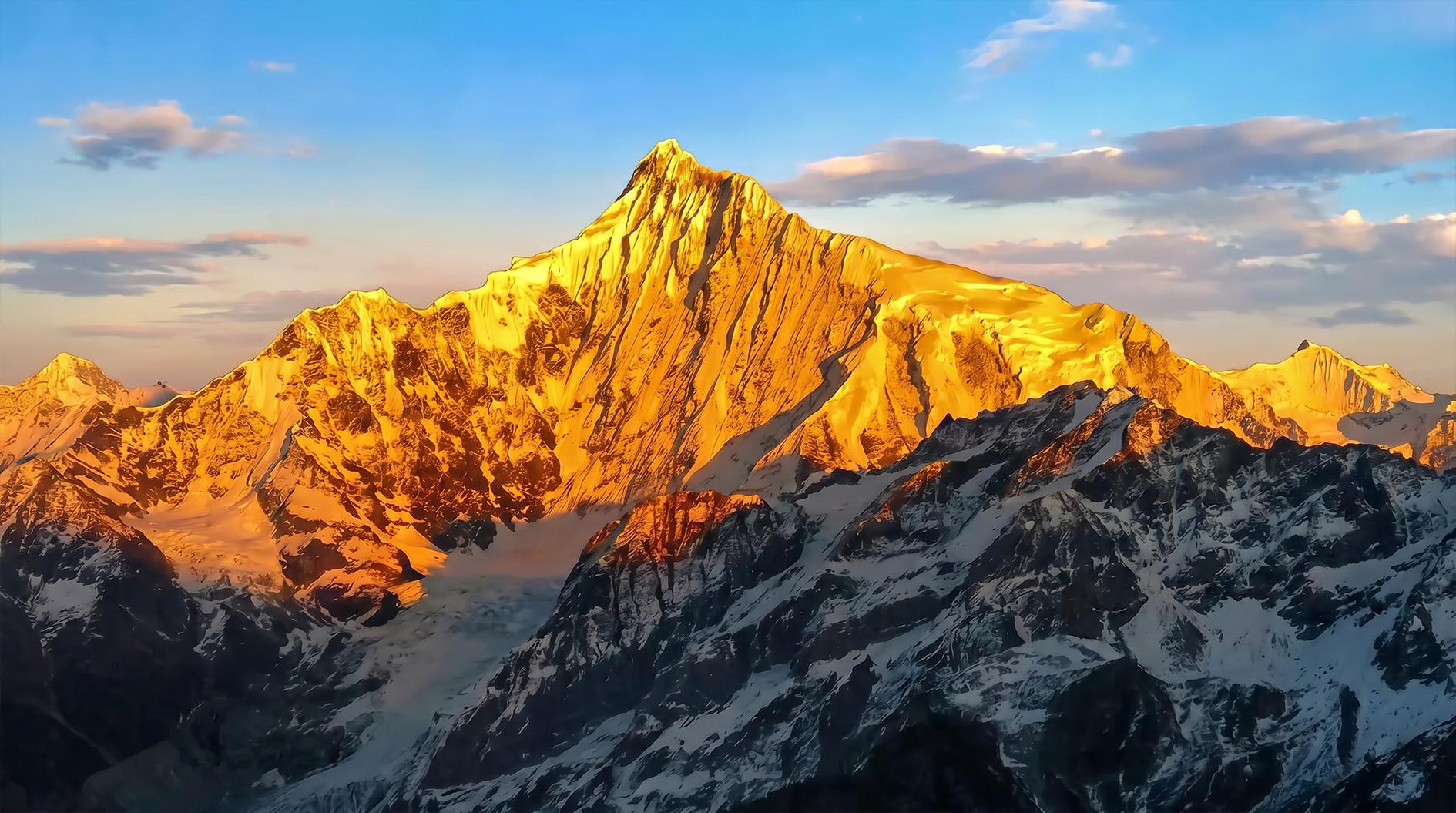
Drive through parts of the Hengduan Range along the Jinsha Jiang River. Have a break in a beautiful small town named Benzilan. Finally arrive at Dechen where visit a Tibetan monastery. Here far view Meili Xueshan, the highest peak in Yunnan Province, with an altitude of 6740 m above sea level. This peak is called "Kawagebo" by Tibetan compatriots, which means "the white snowy mountain" in Tibetan language. Regarded as one of the "Eight Buddhist Mountains" and the "Divine Mountain and Holy land", every year the Buddhist followers from Tibet, Sichuan, Yunnan, and Qinghai trek thousands of miles to pay religious homage to it.
Jeep 220 km 1N in simple Guest house B/L/D
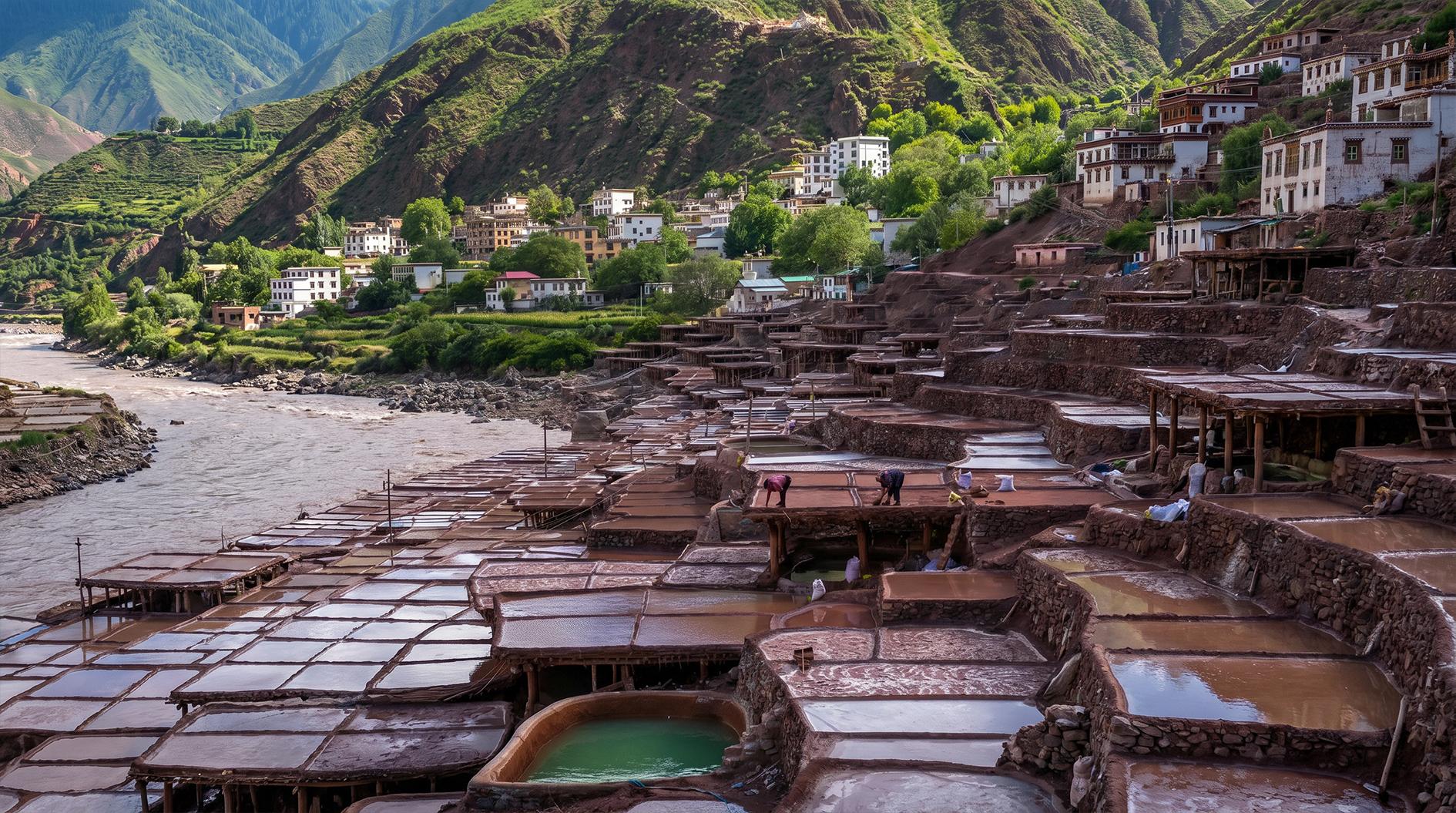
Go on northwards along the Langcang Jiang River valley, the upper reaches of the Mekong River. After a lunch break in the Mekong valley, pass the border between Yunnan and Tibet, and then arrive at Yanjing country. In the afternoon reach Markam, a small city on the important Sichuan-Tibet-Highway (Chengdu - Lhasa).
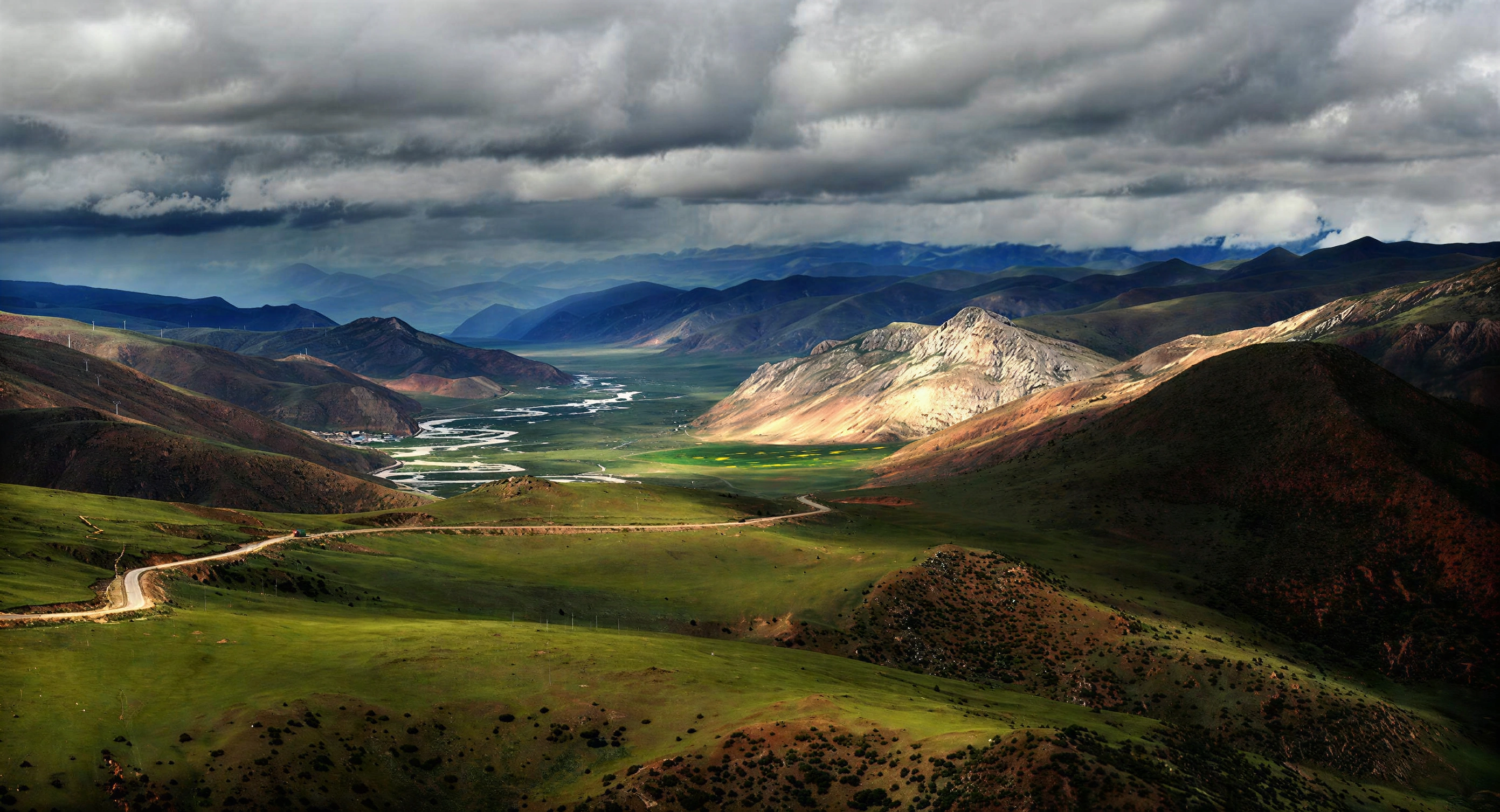
Jeep 330 km 1N in very simple Guesthouse B/L/D
From the most eastern corner of Tibet, start westwards in direction of Lhasa on the northern side of the Nyenchentangla Shan Range. Driving along the circular mountain roads will last several days. Pass by Zuogong and in the evening arrive in Bangda.
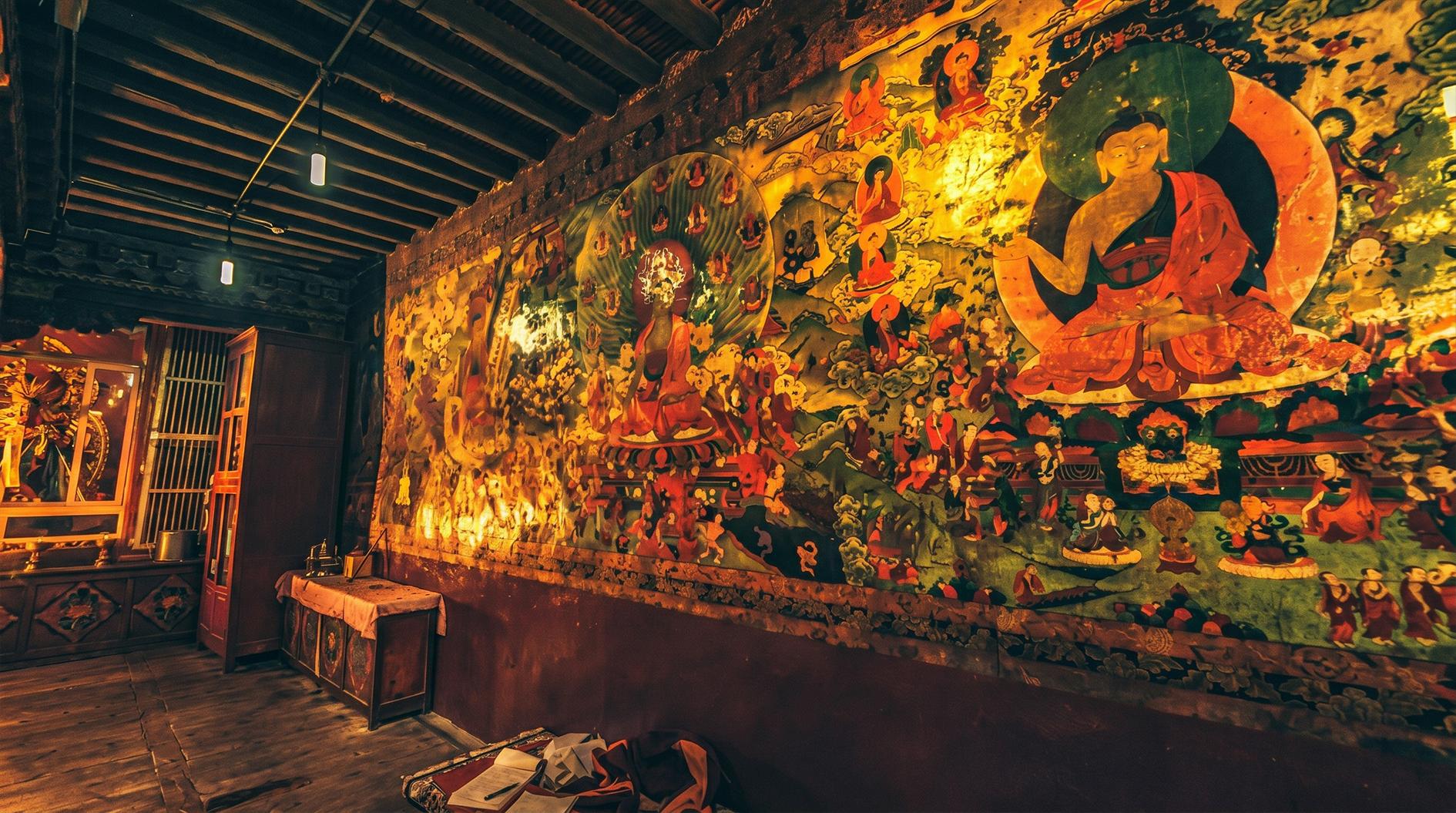
Jeep 210 km 1N in 3*Chamdo Hotel B/L/D
Drive up over the first high pass, the Chuma Shankou Pass (4360 m). Then drive down along the Mekong valley, which leads us to Chamdo. From now on there is still 1066 km to Lhasa. Chamdo (3200 m) was the former capital of Kham in East-Tibetan area. Here visit Galden Jampaling monastery, which was built in the 15th century and the biggest monastery of Gelugpa sect in East-Tibetan area Kham. In Its earlier prime time there were more than 1000 monks in the monastery.
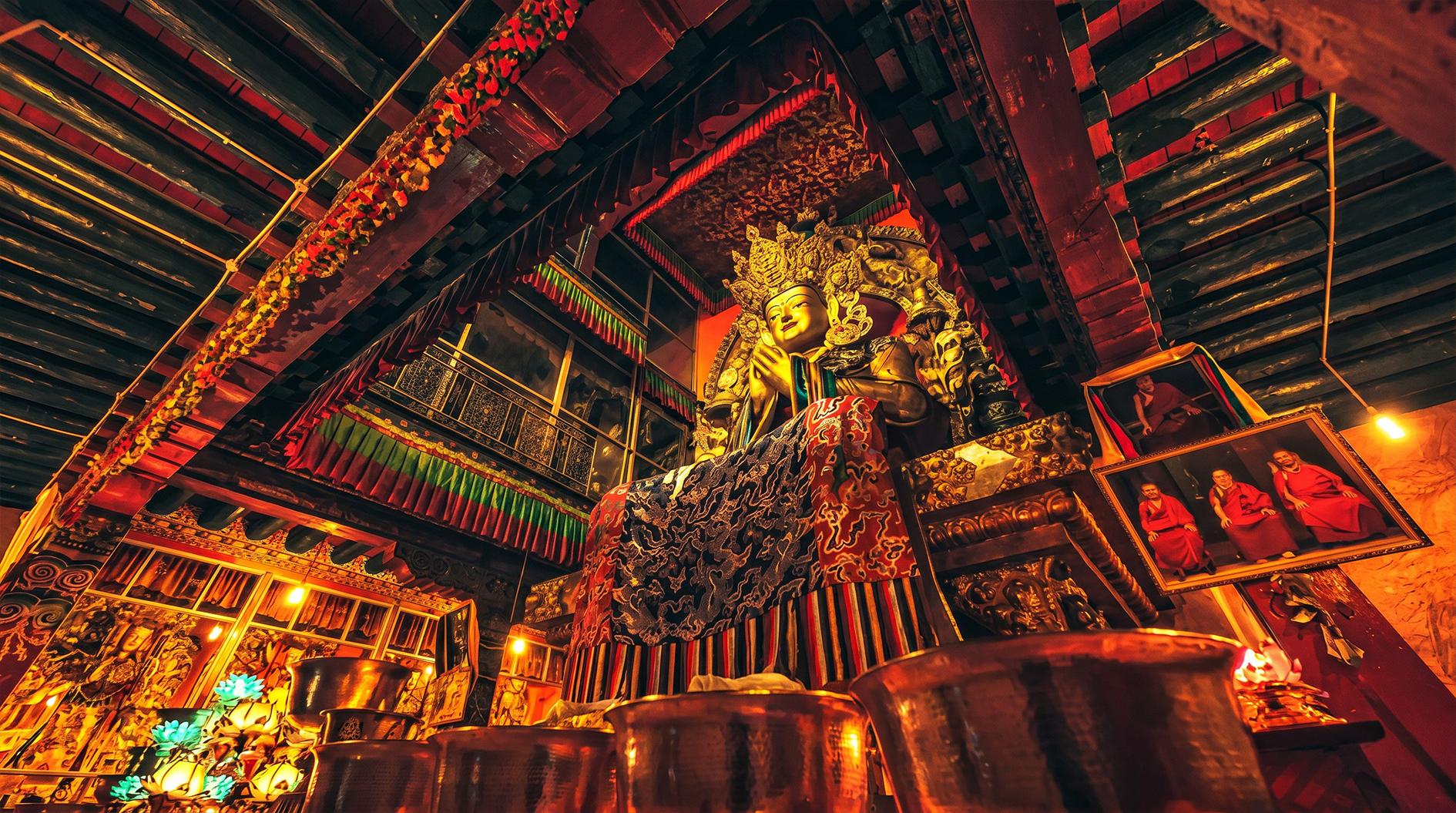
Jeep 250 km 1N in simple Guesthouse B/L/D
Drive over the Zholpel La pass (4690 m), through the Ngamda village in Dzi Chu and up to a small town of Ratsaka. On the way visit the Chamdo Jampaling monastery, where now 300 monks live again. Finally reach Dengchen.
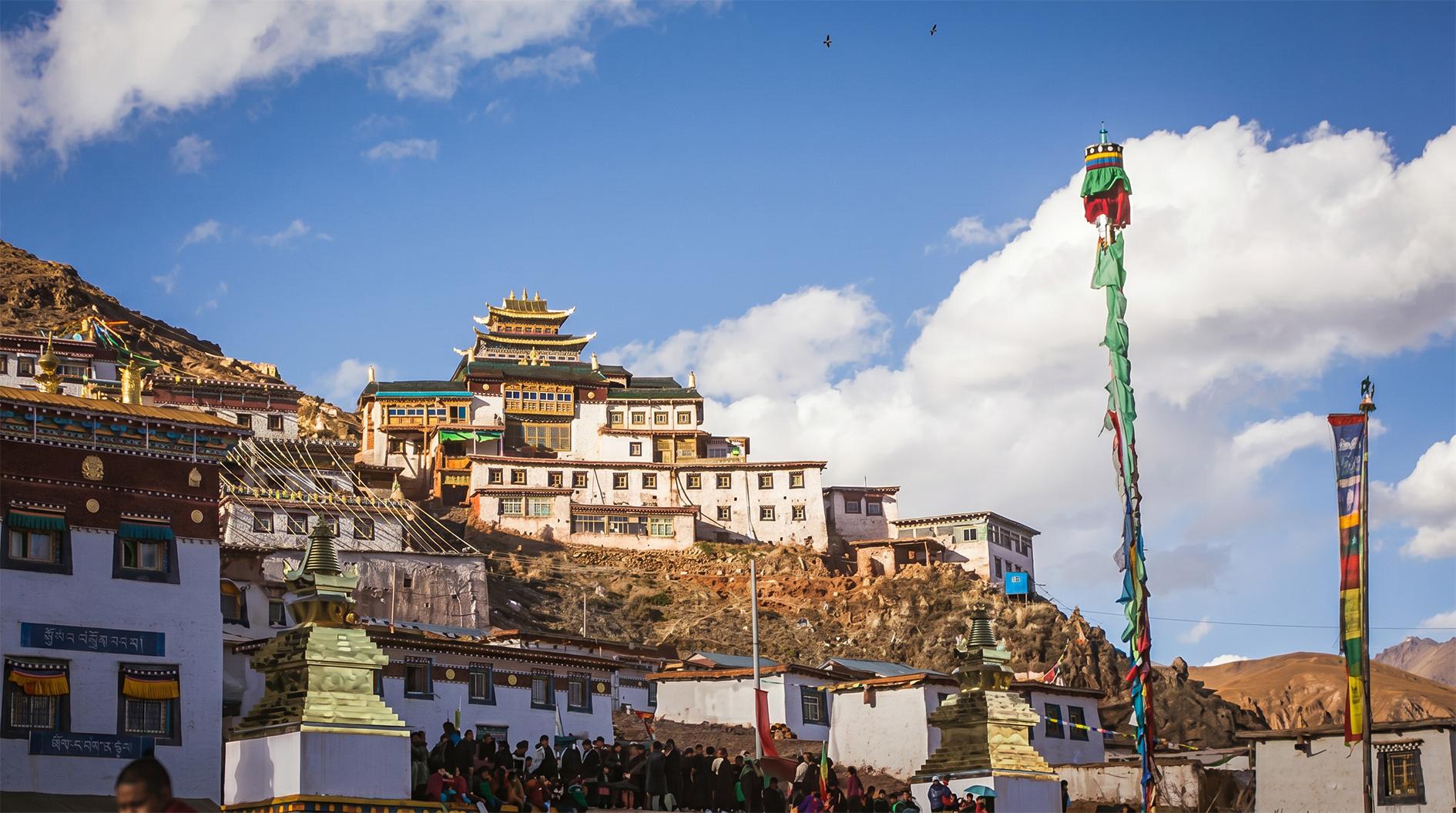
Jeep 260 km 1N in simple Guesthouse B/L/D
Dengchen is the centre of the Boen-religion, which is a primitive religion based on ancient witchcraft and the worship to god and ghost, and was spread through the whole Tibet before the Buddhism was introduced into Tibetan area. Here visit two monasteries: Tengchen and Ritro Lhakhang. After master Tsuri La Pass (4200 m) and Shel La Pass (4750 m), arrive at Bachen.
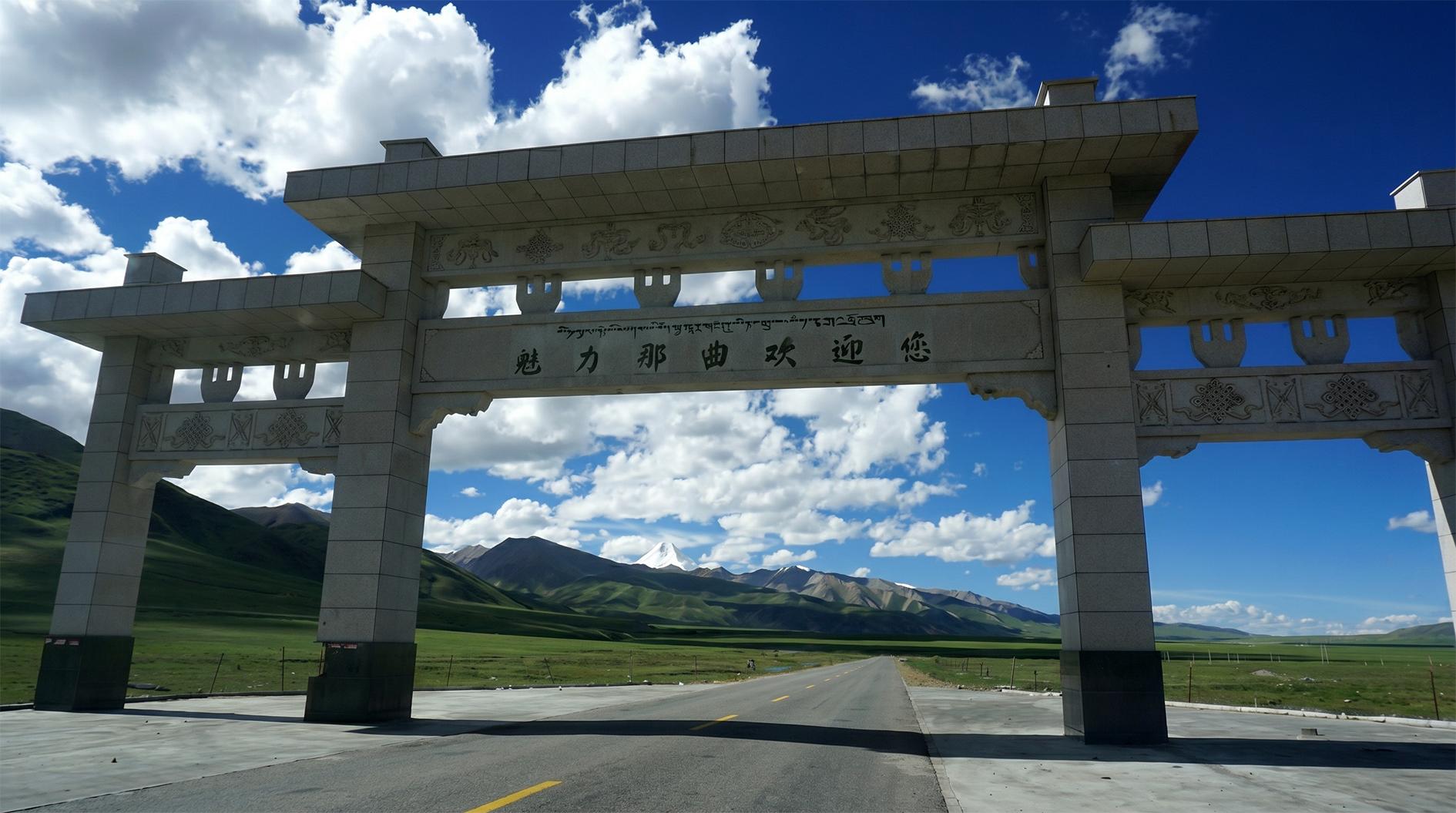
Jeep 270 km 1N in 1*Nagqu Hotel B/L/D
Drive along the Sok Tsanden Zhol village, and during the journey stop to visit two monasteries of Nyimpa sect: Sok Tsanden Gonpa and Kapgye Lhakhang. After that cross over two passes and reach the city of Shakchuka. Still just 100 km and two other passes have to be mastered before arrive at the today's destination: Nagqu (270 km).
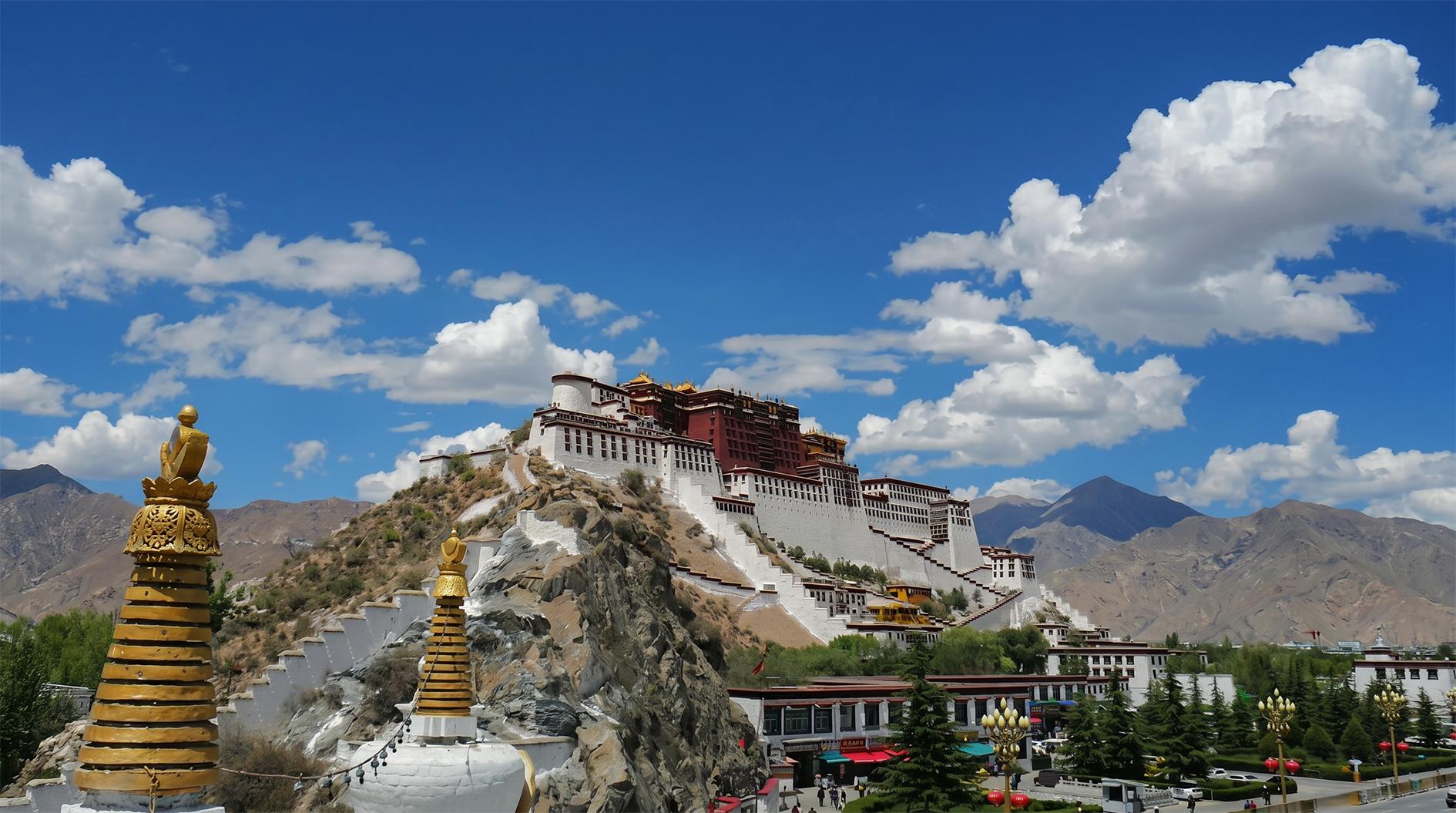
Jeep 350 km 3N in 3*Shambala Hotel B/L/D
Nagqu is a small town on the Qinghai-Tibet-Highway, which starts from Golmud of Qinghai province and ends in Lhasa. The two main temples in Nagqu are the Zhabten Gonpa of Nyingmapa-sect and xxxx of Gelugpa sect. Drive over the Kyogche La Pass (4900 m) and go down to Damxung. Finally conquer the 7177 m high Nyenchentangla Range. After pass by Yangbajing, successfully reach Lhasa, capital of Tibet Autonomous Region. The city, with an altitude of 3700 m above sea level, is situated on the bank of the Kyichu River and has long been the "Holy Land" of Tibet.
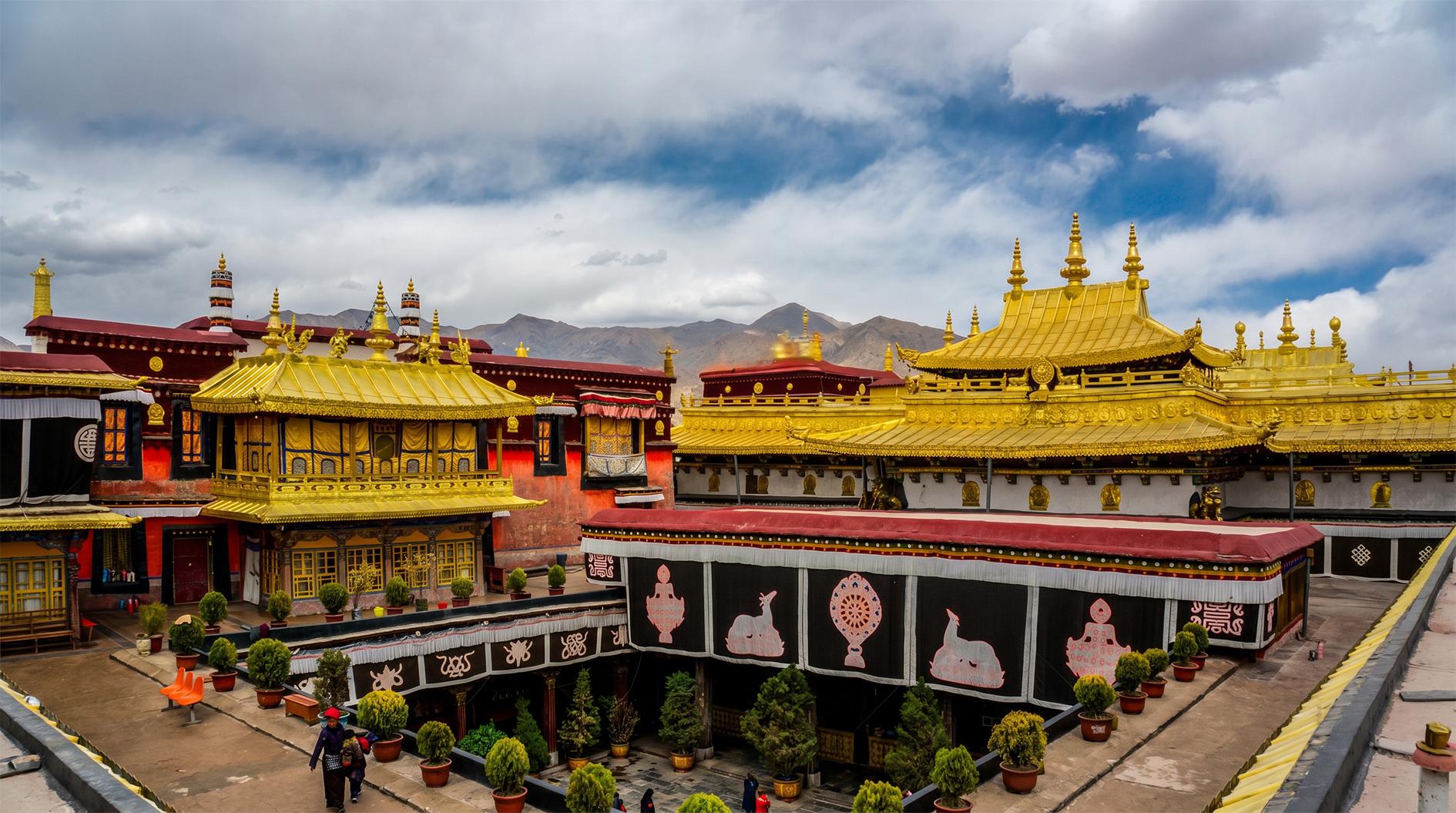
Visit Jokhang monastery, the center of the Tibetan Buddhism and the sacred land of Buddhist followers where innumerable pilgrims come for worship everyday. The temple, built in 647, is the earliest wood-and-masonry structure still existing in Tibet. Walk on the Barkor street around Jokhang, a big free market with its prolific stalls for selling local specialties. In the afternoon visit Norbulingka, which means "the garden of treasures" in Tibetan language. Located in the west suburbs of Lhasa, this palace complex was built in the 18th century and served as the summer residence of the Dalai Lamas.
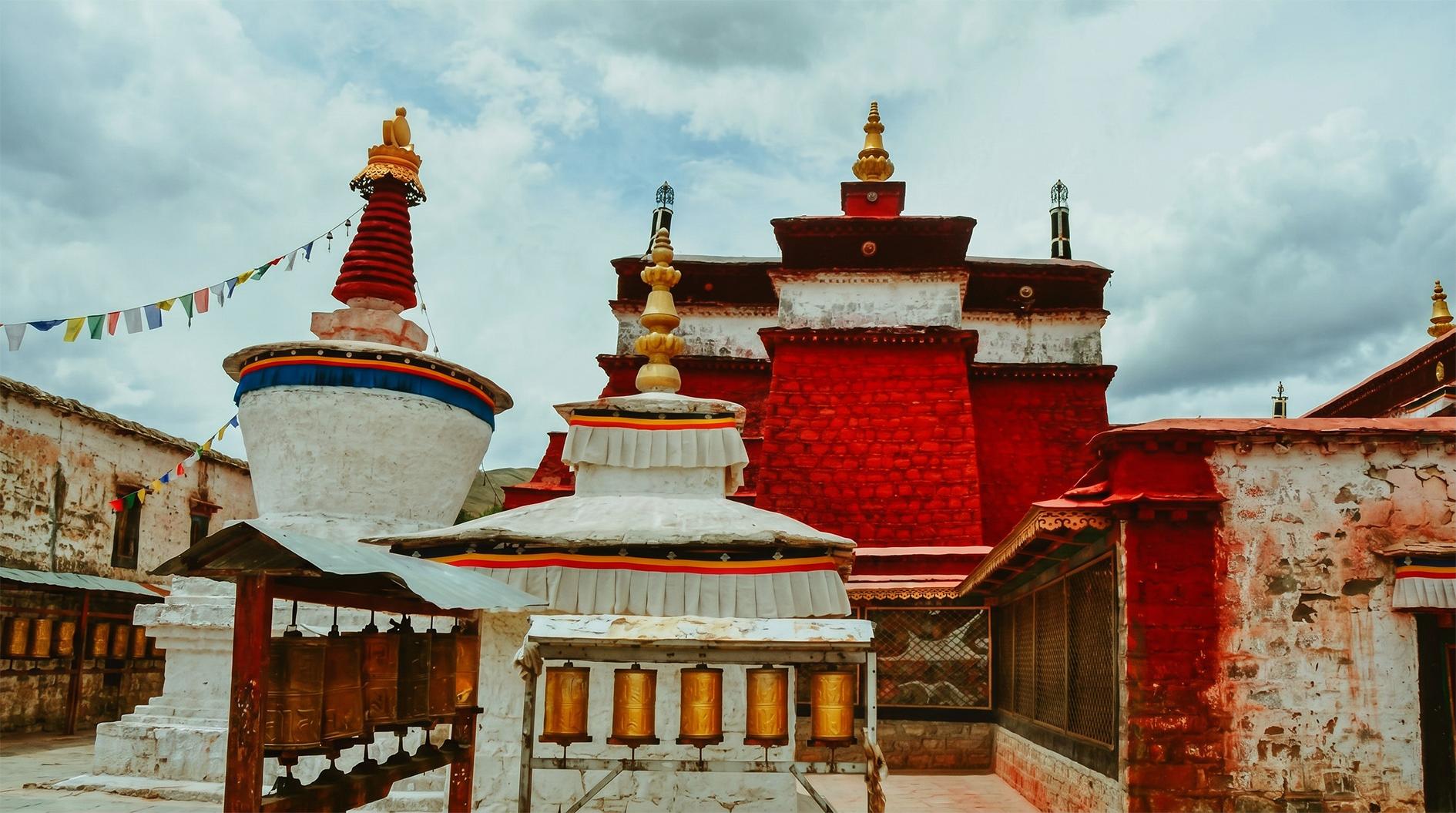
In the morning visit Potala, which was constructed in 637 by Songtsen Gampo, the first king of the united Tibet and later served as the winter residence of the Dalai Lamas. Situated on Mt. Marpori, this 130 meter high 13-storey building is the highest ancient palace complex on earth. It spreads across an area of 410,000 sq km. with about one thousand of splendidly decorated rooms as well as innumerable Buddhist scriptures, statues and mural paintings. In the afternoon go on an excursion to the monasteries of Drepung and Sera. Drepung Monastery was built in 1416 and has always been the seat of the Dalai Lamas before the reconstruction of the Potala Palace by the Fifth Dalai Lama. During the prime period in history, the lamas in the monastery were up to 10,000 people. Maybe that is why it is also called "heap of rice" by Tibetans. Sera monastery, created in 1419, has always been an important Buddhist seminary. As rose are planted everywhere in the monastery, it is also called "the court of wild rose". Today still 200 lamas live in there.
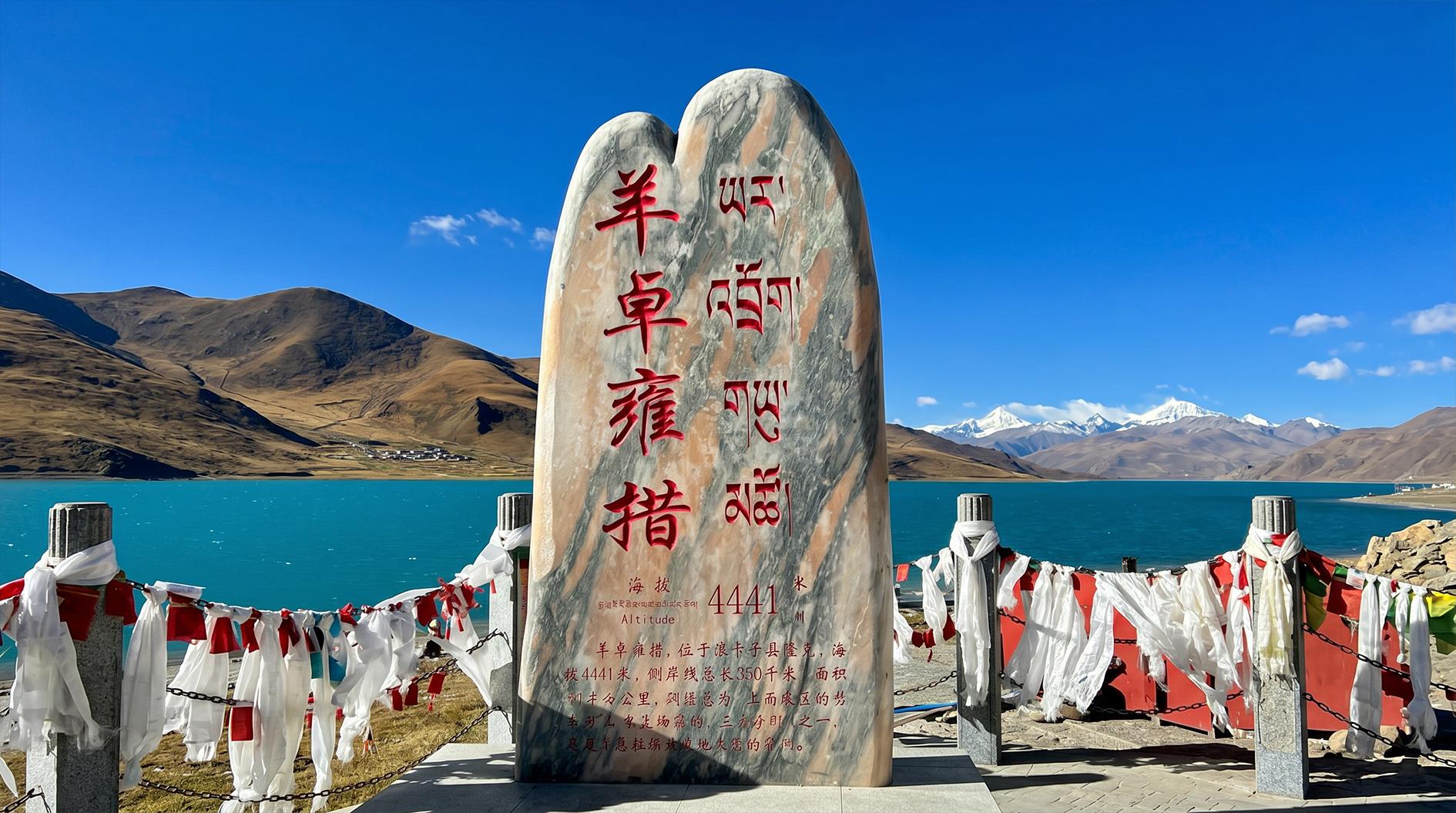
260 km 1N in 2*Gyantse Hotel B/L/D
Leave Lhasa for Gyantse. Pass by the Yamdrok Lake, the third-biggest holy lake in Tibet and a wonderful place for taking photos. Cross over Kangpa-La Pass (5000 m) on the way and in the late afternoon arrive in Gyantse, which lies on the bank of the Nyang-River.
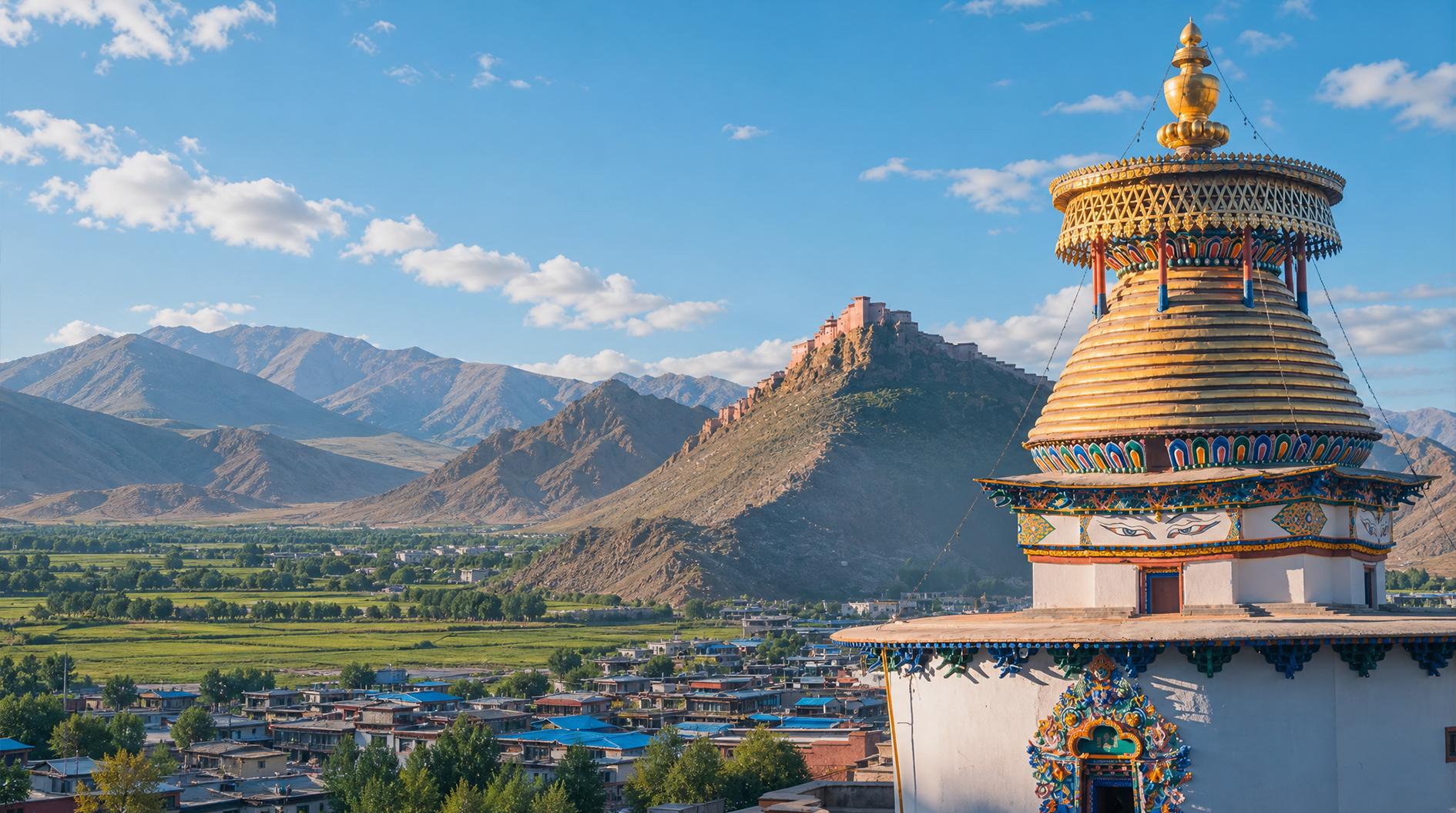
90 km 1N in 3*Shigatse Hotel B/L/D
In the morning visit Kumbum Pagoda (100-Thousand-Buddha Pagoda) as well as Pelkor Monastery famed for its splendid Tibetan Buddhist art, both of them being built in the15th century. Drive to Shigatse, the second largest city with 40,000 inhabitants in Tibet. There visit Tashilunpo monastery of Gelukpa sect, the seat of the Panchan Lamas and one of the six grand monasteries in Tibet region. In the monastery the biggest gilded statue of Maitreya (Buddha of the future) in China is enshrined. In Tibet Buddism, Panchen Lama is just the embodiment of Maitreya Buddha.
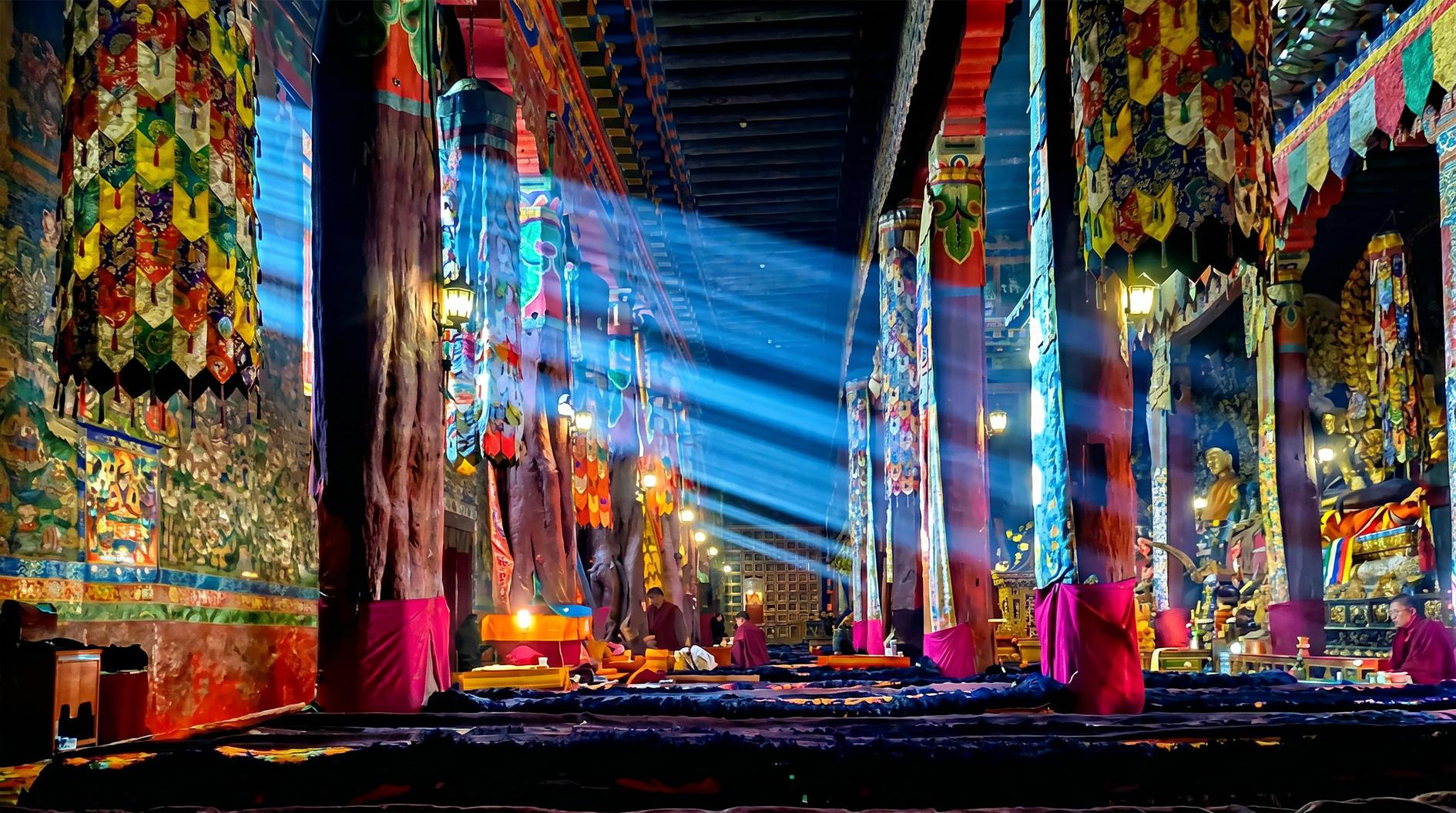
270 km 1N in 1*Qomolangma Hotel B/L/D
Drive westwards on the Tibetan Plateau and cross over several passes - the highest one, Jiatsuo La Pass being 5200 m high. Road conditions permitting, go on an excursion (about 25 km) to the Sakya Monastery (4280 m). The monastery, built by Kublai Khans, is one of the oldest and most important monasteries in Tibet. Finally arrive at Xegar (4300 m).
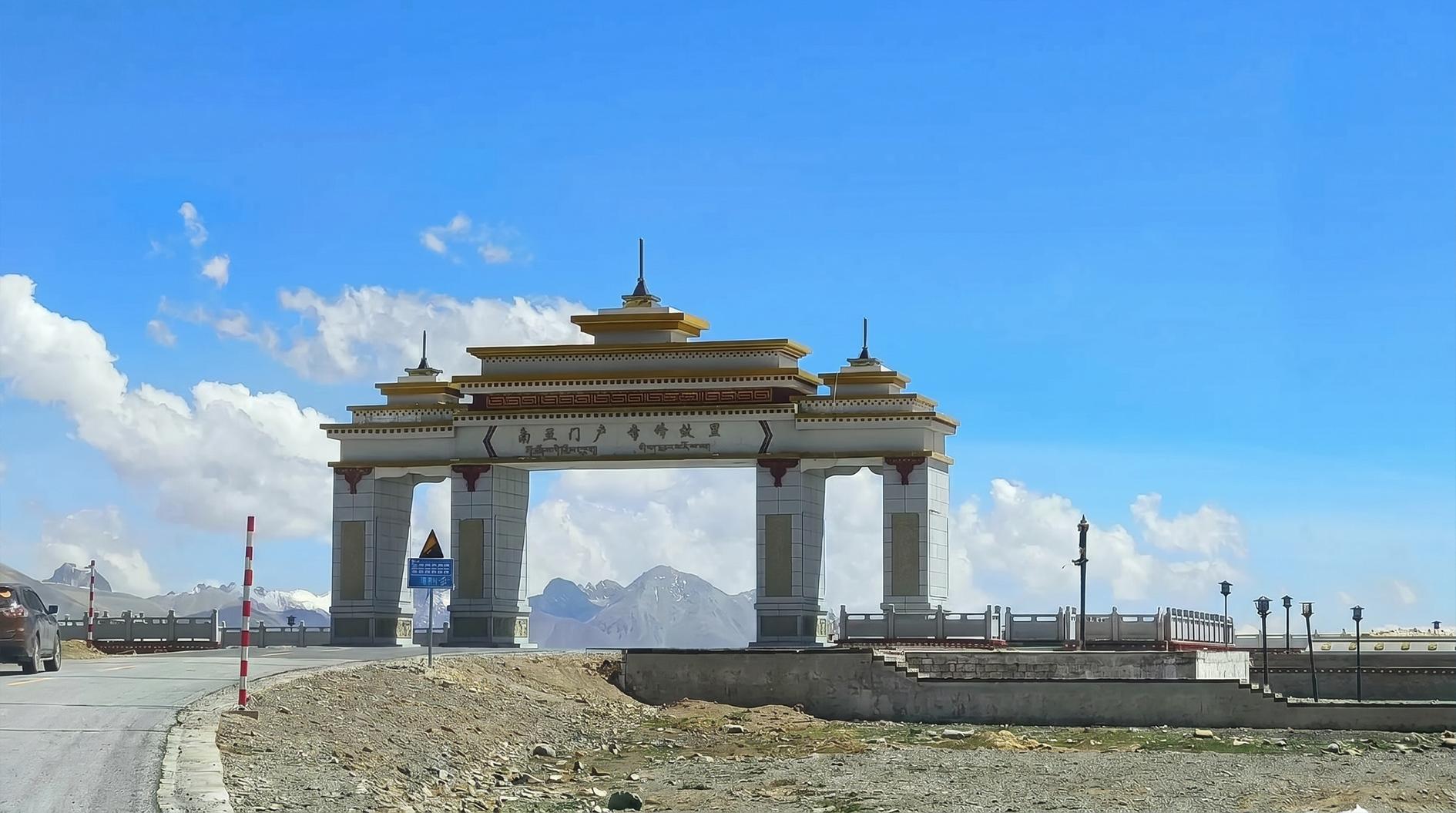
1N in 1*Zhangmu Hotel B/L/D
During the journey far view Cho Oyu, Mt. Everest and Shishapangma the highest mountains in the world. Drive over the Thang-La Pass (5214 m) to Nylam. Afterwards visit the meditation cave of Milarepas. Milarepas, the yogi, has played an important role in the religious life of Tibet and his teachings still influence the people everywhere.
140 km 2N in 3*Gangjong Hotel B/L
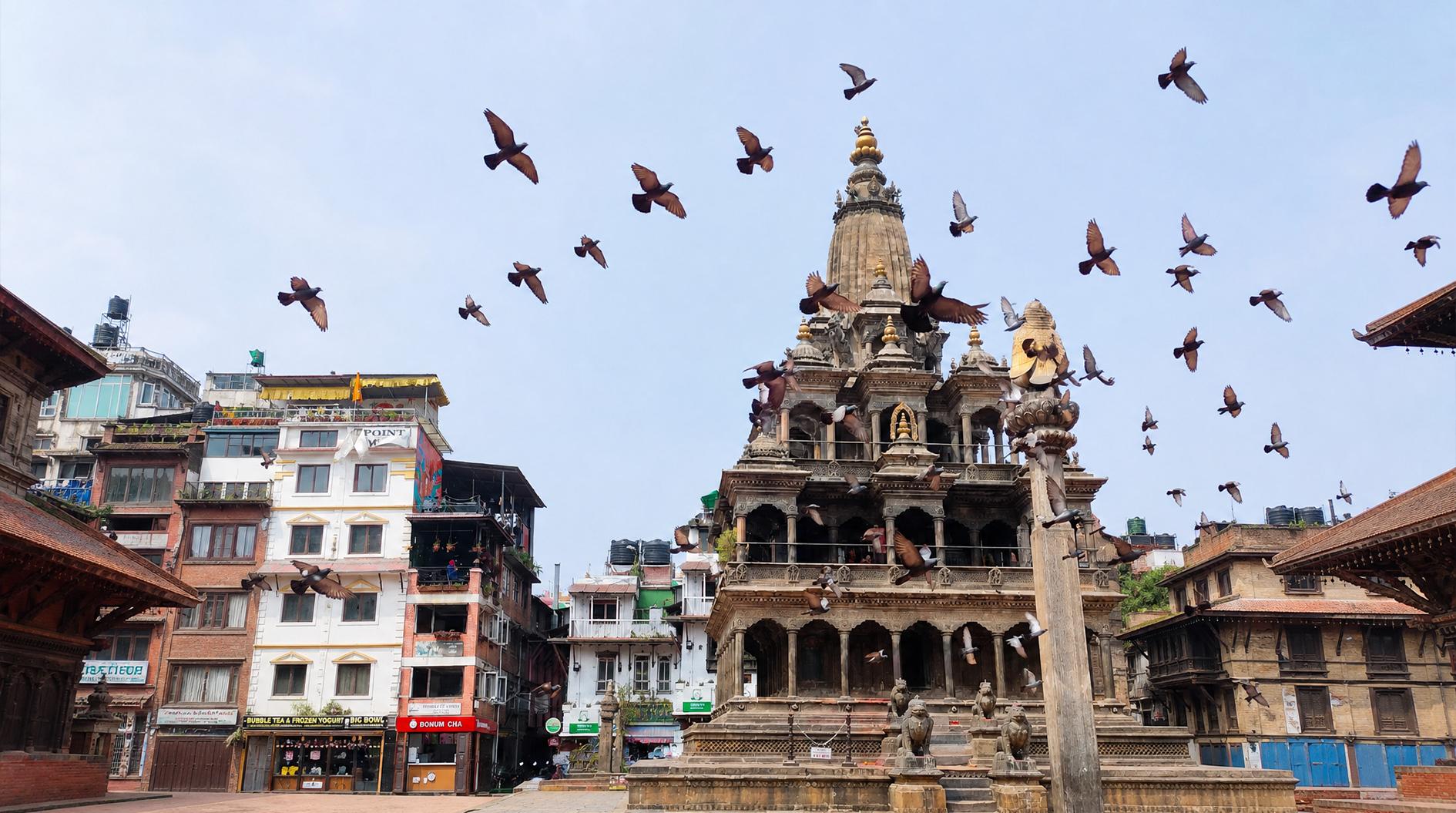
Cross the border between Tibet and Nepal to Kathmandu, capital of Nepal. The city lies in the southern foot of the Himalaya Range. The geographic location and the people here are quite different from those of Tibetan cities. Surely find many new things.
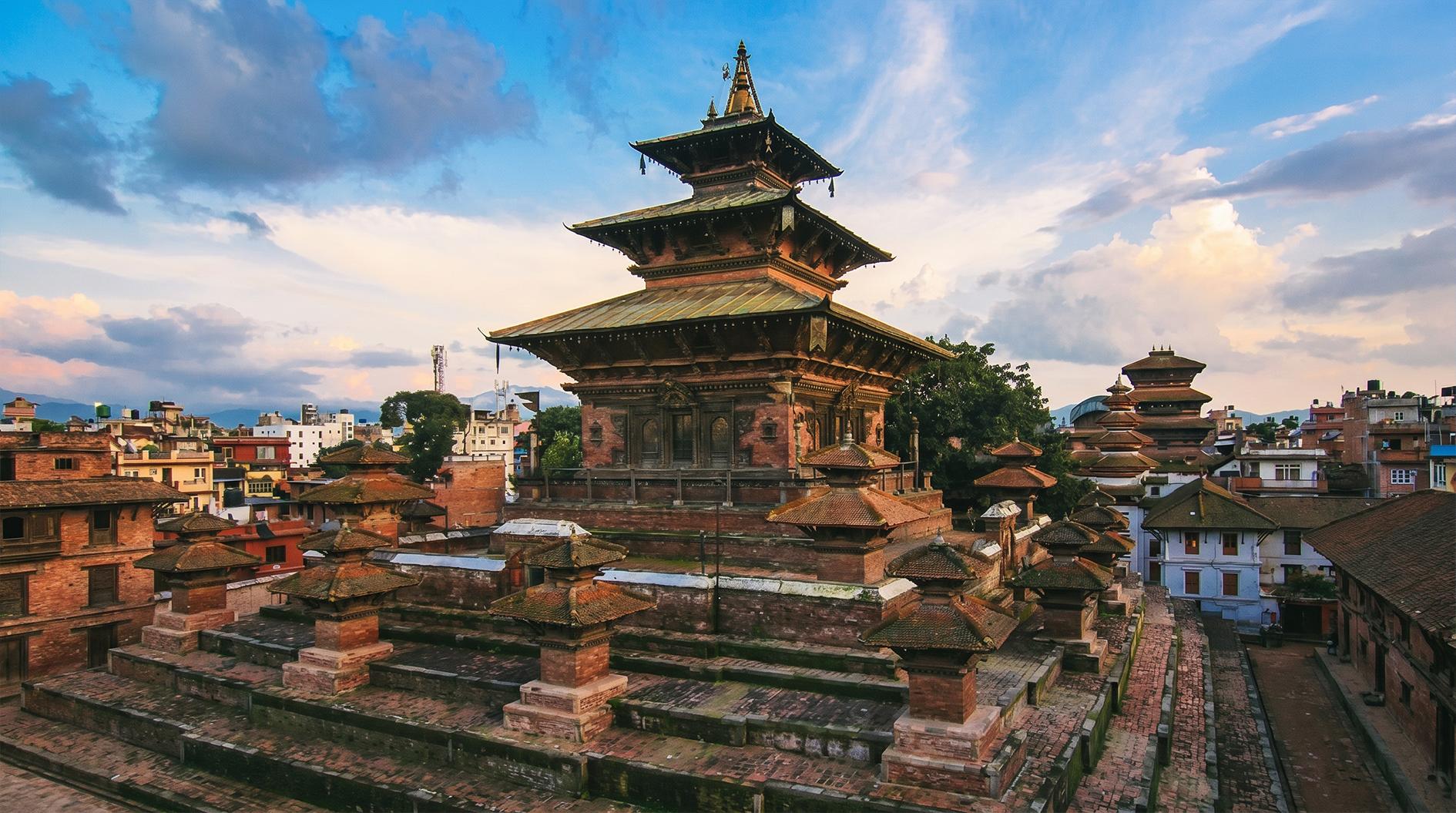
Optional excursions in Kathmandu: a visit to the historic centres of three king's cities of Kathmandu, Patan and Bhaktapur or a visit to the sanctuaries of Pashupatinath, Bodhnath and Swayambunath.
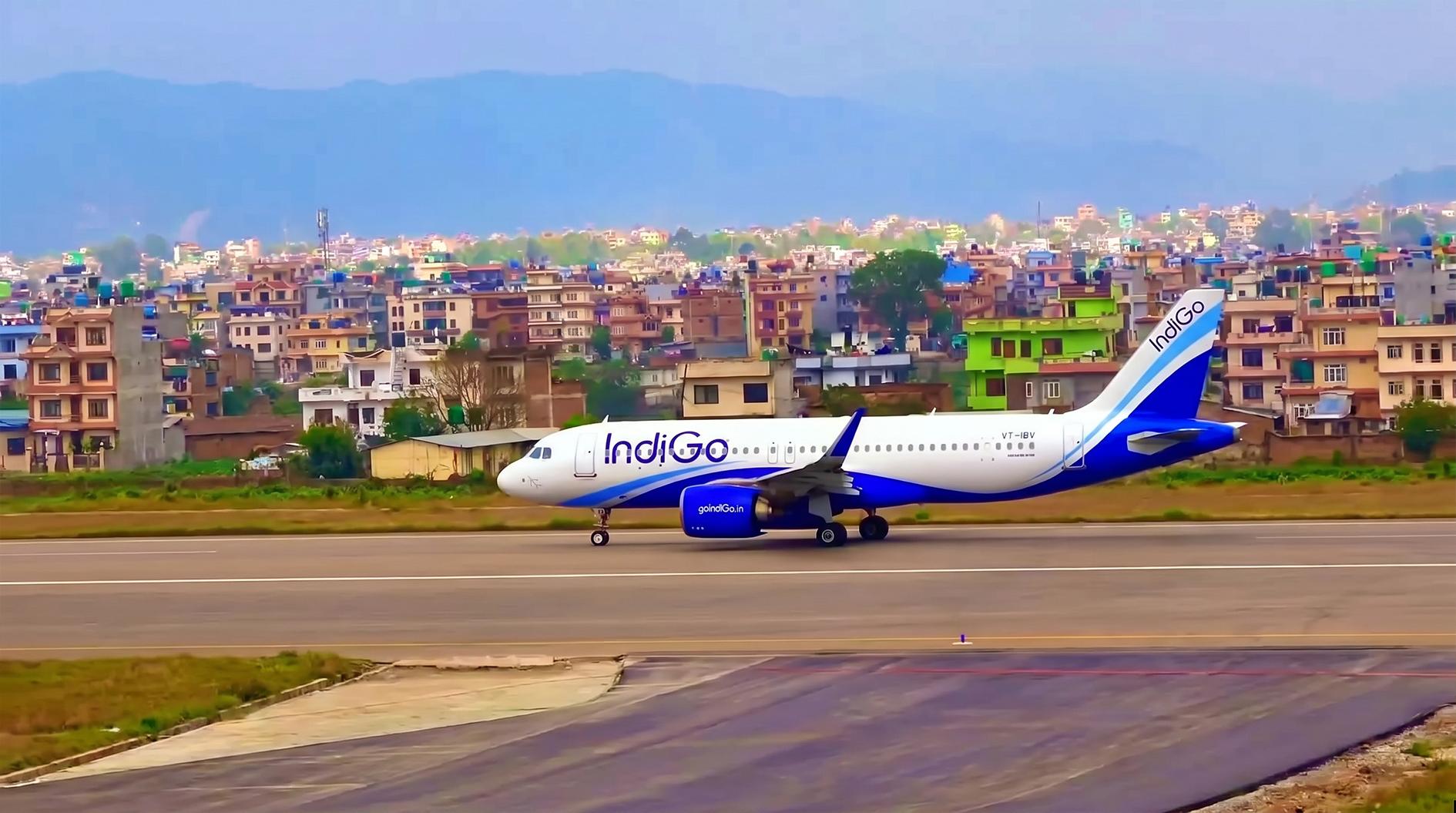
Today transfer to the airport and fly back home.

Reviewed on Jan.31,2025
Jan 2025 · Family
Reviewed on Jan.31,2025
Jan 2025 · Family